Buying equipment gas for international operations is not a simple price comparison. Product specifications, purity levels, cylinder standards, delivery conditions, and local regulations can differ sharply between markets. A gas that performs well in a controlled factory may create problems when connected to unfamiliar equipment or stored in a different climate.
This guide presents seven practical buying tips for global purchasers. It focuses on supplier verification, technical compatibility, documentation, packaging, logistics, and total cost. Experienced procurement teams usually check the safety data sheet, certificate of analysis, valve type, pressure rating, and batch information before approving an order. Small details matter. A mismatched connector can delay production for days.
Reliable suppliers should explain their quality controls clearly. They should also provide traceable records and realistic delivery commitments. Buyers must confirm whether the product meets the destination country’s transport and workplace requirements. These checks are especially important for compressed or liquefied products. Never rely on a website description alone.
Mistakes still happen. Even skilled buyers may overlook storage temperatures or assume that one cylinder design works worldwide. That assumption can be costly. The recommendations ahead are designed to support informed decisions, but they cannot replace advice from qualified engineers, safety officers, customs specialists, or local authorities. With careful planning, equipment gas purchasing becomes more predictable, transparent, and safer across borders.
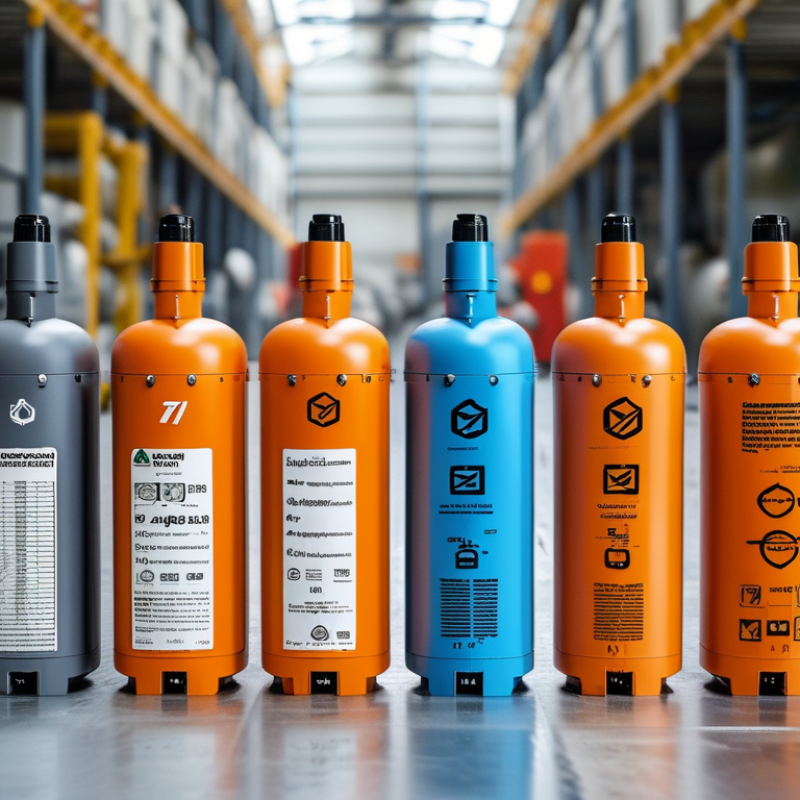
Choosing equipment gas starts with the process, not the cylinder. Identify whether the equipment needs oxygen, nitrogen, argon, carbon dioxide, hydrogen, or a calibrated mixture. Each gas behaves differently under pressure, temperature, and flow conditions. A welding system may tolerate industrial-grade gas, while laboratory instruments often require much higher purity. The wrong choice can cause unstable readings, blocked valves, or poor production results.
Check the required purity, moisture level, and hydrocarbon limits in the equipment manual. “High purity” is not a complete specification. Ask for a certificate of analysis with every delivery. Confirm the testing method, batch number, and measured impurities. Gas mixtures also need concentration tolerances. Small differences can affect calibration. Sometimes, buyers focus too much on purity and overlook flow stability. That mistake is costly.
Match the cylinder valve, regulator, connection standard, and pressure range before ordering. Global shipments may involve different fittings and labeling systems. Verify local transport rules and storage conditions with qualified personnel. Keep cylinders upright, secured, and away from heat sources. Discuss delivery frequency, emergency supply, and return procedures with the supplier. A reliable supplier should provide technical data, safety documentation, and traceable batch information. I have seen purchasing teams approve gas from a specification sheet alone. It looked complete. It was not. The real test is whether the gas, equipment, and application work together under actual operating conditions.

Global equipment gas buying requires more than comparing prices. Start with the supplier’s technical experience, delivery record, and after-sales response. Ask for batch traceability, pressure-test records, material certificates, and calibration dates. A supplier should explain gas purity, filling pressure, valve type, and storage limits in plain language. If the explanation feels vague, pause.
Check certifications against the destination market. Common references include ISO 9809 for refillable steel gas cylinders, ISO 10297 for cylinder valves, and ISO 9001 for quality systems. However, certification does not automatically prove product suitability. Confirm whether equipment meets local pressure, transport, labeling, and inspection requirements. Request current certificates from accredited bodies, not copied files. I have found that small document gaps can delay customs clearance more than production issues.
Compare supply options carefully. Bulk delivery may suit steady consumption, while cylinders offer flexibility for smaller sites. On-site generation can reduce transport exposure, but it requires reliable power, maintenance, and trained operators. The GIIGNL 2024 Annual Report recorded about 404.3 million tonnes of LNG traded globally in 2023, showing the scale of international supply networks. Yet global availability does not guarantee local security. Compare lead times, backup routes, port capacity, currency risks, and emergency stock. Include total landed cost, not only the quoted gas price. A cheaper offer can become expensive quickly. One imperfect point remains: forecasts change, and even strong suppliers can miss a shipment. Get the contingency plan in writing.
Cylinder standards should match the destination, filling station, and equipment connection. Ask for material grade, working pressure, test date, tare weight, and valve specification. Request current inspection records, not only a sales sheet. A clear serial-number photo can expose mismatched paperwork. Confirm thread type and outlet connection before placing the order. Small errors become costly after arrival.
Packaging must protect valves, labels, and cylinder surfaces during handling. Use suitable caps, restraints, separators, and moisture-resistant wrapping. Cylinders should remain upright unless handling instructions state otherwise. Check whether the packaging suits the gas and transport route. Do not accept loose cylinders in a crowded container. That looks efficient, but it is not careful logistics. Count units, inspect seals, and photograph the packed load before dispatch.
Shipping documents should match the physical cargo. Check the gas description, quantity, cylinder numbers, emergency contact, and transport classification. Work with a carrier experienced in compressed-gas handling and destination procedures. Storage conditions deserve equal attention. Choose a cool, dry, ventilated area away from heat, ignition sources, corrosive materials, and unauthorized access. Separate full and empty cylinders. Secure them against falling and keep protective caps fitted when disconnected. Temperature records help, although many buyers forget them. Review the receiving site with a qualified safety professional. A final check is never wasted.
7 Equipment Gas Buying Tips for Global Buyers
Calculating total cost starts beyond the quoted gas price. Add cylinder rental, equipment compatibility checks, freight, insurance, duties, storage, and handling fees. A low invoice can still be expensive. Not always.
Ask suppliers for a delivered-cost breakdown at your destination. Confirm purity, pressure, moisture limits, testing methods, and certificate requirements. Check whether equipment needs special regulators or connection standards. These details prevent costly interruptions. Keep records. Compare suppliers using the same delivery terms, currency, and volume assumptions.
Contract language deserves equal attention. Define product specifications, delivery windows, inspection rights, replacement procedures, and price-adjustment rules. Clarify responsibility for damaged cylinders or delayed shipments. Include realistic force majeure terms, but do not accept vague excuses for routine shortages. Payment milestones should match verified deliveries. A trial order can expose weak packaging or poor communication before a long commitment.
Long-term reliability needs evidence, not promises. Review production capacity, maintenance planning, transport partners, emergency response, and quality records. Ask how the supplier handles port delays or sudden demand increases. Build a buffer. Maintain safe inventory based on actual usage and replenishment time. Where practical, qualify a second approved source without creating unnecessary complexity. I have seen buyers focus heavily on unit price and overlook recovery time after a missed delivery. That mistake deserves reflection. A dependable supply plan should protect both operations and safety.
| No. | Buying Dimension | What to Check | Reference Data or Calculation | Recommended Contract or Technical Term | Buyer Action |
|---|---|---|---|---|---|
| 1 | Define Gas Demand and Purity | Confirm gas type, purity, pressure, peak flow, average flow, operating hours, and seasonal demand. | Annual demand = average consumption × operating hours × operating days. Add a practical reserve of 10–20% for demand variation. | Specify purity, moisture, oil, particulate, outlet pressure, flow rate, and applicable cylinder or bulk-tank standards. | Use 12 months of meter, cylinder, or production records instead of relying only on estimated consumption. |
| 2 | Calculate Total Delivered Cost | Compare product price with freight, rental, energy, installation, testing, taxes, handling, and emergency-delivery charges. | Total cost per usable unit = product cost + logistics + equipment rental + energy + maintenance + compliance costs − agreed credits. | Require an itemized quotation and clearly identify which costs are fixed, indexed, pass-through, or subject to change. | Compare at least three delivery models: cylinders, liquid bulk, and on-site generation where technically suitable. |
| 3 | Review Equipment Compatibility | Check materials, connection types, pressure ratings, ventilation, electrical supply, footprint, and local installation requirements. | Confirm that maximum working pressure, relief settings, gas flow, and temperature range remain within the equipment design limits. | Include approved drawings, commissioning procedures, calibration requirements, spare-parts availability, and operator training. | Request a site survey before final purchase, especially for bulk storage, vaporizers, manifolds, and gas generators. |
| 4 | Negotiate Transparent Contract Terms | Evaluate contract length, minimum purchase quantities, take-or-pay clauses, price adjustments, payment terms, and termination rights. | A 3-year agreement may reduce quoted unit prices but can increase exposure to demand changes, currency movement, and minimum-volume penalties. | Define price-index formula, review frequency, adjustment limits, force majeure, liability, change control, and dispute jurisdiction. | Match the contract term to forecast confidence; use shorter terms or volume bands when demand is uncertain. |
| 5 | Measure Supply Reliability | Assess production capacity, local inventory, transport routes, backup sources, delivery history, and response time during shortages. | Useful indicators include on-time-in-full delivery rate, emergency response time, average outage duration, and number of qualified supply sources. | Set service levels such as scheduled-delivery accuracy, maximum outage duration, escalation contacts, and documented contingency procedures. | Ask for anonymized performance data from comparable industrial applications and test the emergency communication process. |
| 6 | Control Safety and Regulatory Exposure | Verify cylinder or tank inspection status, safety data sheets, labeling, transport documentation, leak detection, and worker training. | Requirements vary by gas classification, storage quantity, pressure, country, and facility type; confirm local rules before installation. | Assign responsibilities for inspections, certification, incident reporting, equipment maintenance, and regulatory records. | Obtain a compliance checklist for every destination country and include safety documentation in the purchase package. |
| 7 | Plan Long-Term Continuity and Sustainability | Evaluate supplier diversification, critical-spares strategy, energy consumption, gas losses, cylinder circulation, and end-of-life service. | Life-cycle cost = purchase and installation + operating cost + maintenance + downtime risk + decommissioning cost. | Include technology refresh options, spare-parts lead times, audit rights, sustainability reporting, and transition support at contract end. | Review the sourcing strategy annually and maintain a documented backup plan for critical gases and equipment. |
7 Equipment Gas Buying Tips for Global Buyers
Inspecting Gas Quality, Delivery Safety, and After-Sales Support Before Purchase
Tip 1: Verify the gas quality before comparing prices. Request a current certificate of analysis, purity data, moisture limits, and contaminant information. Match these values with your equipment’s operating requirements. A clean cylinder can still contain unsuitable gas. Check the filling date, valve condition, seal, and cylinder identification at delivery. Small details matter. Keep photographs and inspection records for every shipment.
Tip 2: Examine the delivery process, not only the product. Ask how cylinders are secured, labeled, transported, and stored during loading and unloading. Confirm that the supplier follows applicable local transport and workplace-safety rules. Delivery staff should understand pressure hazards and emergency procedures. In practice, a late shipment can create more risk than expected. Build a receiving checklist with pressure readings, packaging condition, and quantity verification.
Tip 3: Test after-sales support before placing a large order. Ask for response times, technical contacts, replacement procedures, and troubleshooting documents. Reliable suppliers explain problems clearly instead of blaming the operator. Request a small trial order when possible. It may reveal inconsistent pressure, unclear paperwork, or weak communication. I have seen buyers focus heavily on specifications, then discover that urgent technical help was unavailable. That mistake deserves careful reflection. Keep written agreements covering quality claims, delivery damage, inspection rights, and service responsibilities.