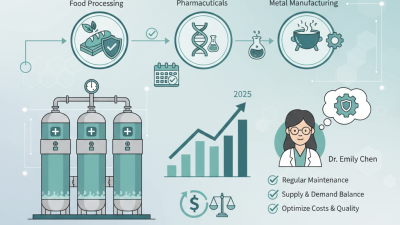
Best Gas Equipment for Energy Efficiency and Cost Savings?
In the pursuit of energy efficiency, gas equipment plays a crucial role. Recent reports from the U.S. Department of Energy indicate that optimizing gas equipment can reduce energy consumption by up to 30%. This significant potential for savings makes the selection of the right gas equipment essential for both residential and commercial users.
Industry expert, Dr. Emily Carter, states, “Investing in high-efficiency gas equipment not only lowers costs but also supports sustainability efforts.” Her insight reflects a growing trend among businesses aiming to balance cost savings with environmental responsibility. However, many companies and homeowners still rely on outdated systems, showing a disconnect between awareness and action.
While advancements in technology offer better options, understanding which equipment is best suited for specific needs requires expertise. There is room for improvement in evaluating choices that align with budget constraints and efficiency goals. Making informed decisions can lead to significant long-term benefits. Paying attention to the details of gas equipment can lead to both energy savings and a reduced carbon footprint, fostering a better environment for future generations.
Overview of Gas Equipment Types for Energy Efficiency
Gas equipment plays a crucial role in enhancing energy efficiency. Common types include furnaces, water heaters, and stoves. Each type contributes uniquely to energy savings. For instance, modern gas furnaces utilize advanced technology. They can achieve a higher Annual Fuel Utilization Efficiency (AFUE) rating.
Water heaters are equally significant. Tankless models heat water on demand. This eliminates standby heat loss, leading to substantial savings. Proper insulation of pipes can also enhance efficiency. Users should check for leaks regularly. Small issues can lead to increased bills over time.
Stoves can vary greatly in efficiency. High-efficiency models use less gas for the same output. Choosing the right size is important. Oversized equipment wastes energy. Regular maintenance is often overlooked. Cleaning burners helps maintain efficiency. Users should monitor performance and make adjustments as necessary.
Best Gas Equipment for Energy Efficiency and Cost Savings
| Equipment Type |
Efficiency Rating (%) |
Annual Operating Cost ($) |
Estimated Savings Over 5 Years ($) |
| Gas Water Heater |
90 |
350 |
1,500 |
| High-Efficiency Gas Furnace |
95 |
600 |
2,500 |
| Gas Range |
85 |
200 |
800 |
| Gas Dryer |
80 |
250 |
1,000 |
| Gas Fireplace |
75 |
300 |
900 |
Key Features of Energy-Efficient Gas Equipment
Energy-efficient gas equipment is becoming essential for both
cost savings and sustainability. Many studies indicate that households
can save up to 30% on energy bills by switching to high-efficiency
gas appliances. The most effective equipment features advanced technology that optimizes energy use. For instance,
modulating gas valves can adjust flame levels based on heat needs. This leads to reduced
fuel consumption and increased efficiency.
Proper insulation and smart thermostats
are also critical components of energy-efficient gas systems. According to the U.S. Department of Energy, homes utilizing
improved insulation can reduce energy losses by 15-20%. Moreover,
smart thermostats allow for precise temperature control, avoiding unnecessary gas usage during unoccupied hours. These
features not only promote energy efficiency but also enhance user flexibility.
Reliability and maintenance are important factors in this area. Regular checks can prevent gas leaks and ensure the system
operates at peak efficiency. A report from the American Gas Association
emphasized that consistent maintenance enhances the lifespan of gas equipment. A longer lifespan implies fewer replacements,
contributing to long-term cost savings. However, many consumers often overlook the importance of these maintenance routines,
potentially compromising their savings and safety.
Cost-Benefit Analysis of Investing in Gas Appliances
Investing in gas appliances can lead to significant cost savings and improved energy efficiency. A recent study from the U.S. Department of Energy found that high-efficiency gas furnaces can reduce energy bills by approximately 20% compared to standard models. This translates to an annual savings of $200 or more for many households. By utilizing the latest technology, these appliances often provide immediate payback on the initial investment.
When evaluating gas appliances, consider their Energy Star ratings and performance metrics. A gas water heater with a high energy factor can greatly enhance energy savings. Additionally, the potential for local rebates may help offset upfront costs. However, not all gas appliances yield the same savings, and individual needs vary based on family size and usage patterns.
Tips for choosing appliances: Research available rebates in your area. Check the energy efficiency ratings on appliances before purchase. Ensure proper installation for maximum performance. Reflect on your long-term energy usage and consider the overall value of the appliance rather than just the initial price. Careful consideration leads to better financial choices for your home.
Top Brands and Models of Gas Equipment for Savings
When considering gas equipment, energy efficiency is paramount for cost savings. Models vary widely in performance, making informed choices essential. A study by the American Gas Association found that modern gas appliances can operate up to 30% more efficiently than older units. This efficiency translates to significant savings on utility bills over time.
Brands known for quality often focus on superior technology. High-efficiency furnaces and water heaters are popular examples. A report from the Department of Energy highlights that ENERGY STAR certified models reduce energy consumption by up to 20%. Choosing such equipment can lead to a quick return on investment. However, it’s crucial to assess your specific needs. Not every model will suit every household, and results may vary based on usage patterns.
Despite advancements, some users still face challenges. Installation costs can be high, and not all homes are compatible with new systems. Consumers often struggle to find the ideal setup that meets efficiency and practicality. Researching product reviews and consulting with experts can help mitigate these issues. Reliable information empowers better decisions and enhances overall satisfaction with selected gas equipment.
Best Gas Equipment for Energy Efficiency and Cost Savings
Maintenance Tips to Enhance Gas Equipment Efficiency
Proper maintenance is crucial for gas equipment efficiency. Regular checks can prevent larger issues later. Start by inspecting connections for leaks. A simple gas leak detector can make this process easier. Tighten any loose fittings. Replace worn-out hoses. This proactive approach reduces wastage and enhances safety.
Cleaning is another essential task. Accumulated debris in burners can lead to uneven heating. Use a brush to remove dirt and soot. Ensure air vents are clear too. Blocked vents can hinder performance. Occasionally, professional cleaning services can help maintain optimal function.
Monitoring performance can reveal issues early. If equipment runs inefficiently, it might need adjustment or calibration. Regularly check energy bills. Sudden increases may signal a problem. Keeping logs can track changes over time. Reflecting on these details helps in making informed maintenance decisions.