How to Choose the Right Gas Equipment for Your Business?
Choosing the right gas equipment is crucial for your business's success. Recent studies show that the gas equipment market is projected to grow significantly. In fact, the global gas equipment market could reach USD 25 billion by 2025, driven by efficiency demands and safety regulations.
Selecting proper equipment gas can enhance operational efficiency. Quality equipment minimizes downtime and maximizes productivity. However, businesses often overlook critical factors when choosing gas equipment. This can lead to costly mistakes and safety hazards.
Also, not all equipment gas is created equal. It's essential to consider your specific operational needs and regulatory requirements. A thorough evaluation can reveal better options and improve safety protocols. Balance your needs with available technology. Investing wisely now can yield significant returns in the future, but it requires thoughtful consideration and expertise.
Understanding Your Business Needs for Gas Equipment
Choosing the right gas equipment starts with a thorough understanding of your business needs. Assessing your operations is crucial. Are you in a high-demand sector, like food service or manufacturing? If yes, you require robust and efficient equipment. It's essential to look at specific requirements such as the type of gas you will use, the volume required, and safety standards.
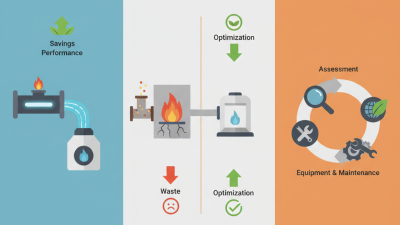
Consider maintenance and support. Equipment that is hard to service can lead to downtime. Regular maintenance can prevent costly disruptions. Thus, choosing equipment with good support options is vital. Ask about warranties and service agreements during your selection process. This preparation can save time and resources down the line.
Understanding your budget is also necessary. High-quality equipment may have a higher initial cost but save money over time through energy efficiency. Analyze your return on investment thoroughly. Investing wisely can enhance productivity and safety at your facility. Make a list of features that matter most to your operations and prioritize those in your search. This will help narrow down your options and align with your business goals.
Evaluating Different Types of Gas Equipment Available
When evaluating different types of gas equipment for your business, it’s essential to consider your specific needs. Not all equipment is created equal. For instance, some appliances are designed for high-capacity operations, while others cater to smaller tasks. Think about the scale of your operations and the gas consumption rates. Certain setups may require more robust systems, while others might get by with less powerful alternatives.
Cost is another critical factor. Higher-priced models often boast advanced features, but budget-friendly options can work just as well. Consider maintenance and repair costs too. Cheaper equipment may lead to more frequent repairs, impacting your overall expenses. Assessing warranties and support services can also provide more peace of mind in your investment.
It’s important to reflect on what works best for you. Sometimes, choices seem clear, but reality can differ. For example, equipment that seems user-friendly initially might pose a learning curve for your staff. Weigh the pros and cons carefully. Take time to consult with experts and get insights from other businesses. Their experiences can guide you toward more reliable choices.
Assessing Safety Standards and Regulations for Gas Equipment
When selecting gas equipment for your business, it's crucial to prioritize safety standards and regulations. Many businesses overlook the importance of compliance, which can lead to serious consequences. The equipment must meet local and national safety codes. This includes checking for certifications and approvals that demonstrate adherence to safety regulations.
Understanding your local regulations is essential. For example, certain areas might require specific safety system installations or regular inspections. These rules vary significantly and can change over time. Staying informed about these dynamics can be challenging but necessary. With the right knowledge, you can ensure your operations align with safety protocols. Regular training staff on these standards further enhances safety awareness.
Consider the equipment's environment. Will it be in a high-traffic area or behind barriers? Each setting might require different safety measures. It's also worth thinking about potential hazards during operation. Conducting risk assessments can provide valuable insights. Continuous reflection on safety practices is vital. Revisiting these assessments regularly can highlight areas needing improvement.
Comparing Costs and Budgeting for Gas Equipment Purchases
When budgeting for gas equipment, understanding costs is essential. Industry reports indicate that initial expenses can vary significantly based on equipment type. For instance, a basic gas furnace may start at $3,000, while more advanced options can exceed $15,000. It’s crucial to allocate funds not just for purchase but for installation too, which can increase the total by around 20-30%.
Maintenance costs should also be part of your planning. Regular upkeep can average $500 to $1,000 annually, depending on usage frequency. Additionally, many businesses overlook the potential savings from energy-efficient models. Investing upfront in these options may reduce long-term operational costs by 10-30%.
Consider financing options. Your cash flow is paramount. Some businesses may benefit from leasing equipment, which preserves capital. It's also wise to review warranties and service contracts. Extended warranties can seem expensive but may save you from hefty repair bills down the line. Evaluating all these factors can be daunting. A detailed comparison can illuminate the best path forward.
Identifying Reliable Suppliers and Service Providers for Gas Equipment
When selecting gas equipment, the reliability of suppliers and service providers is crucial. Industry reports indicate that around 30% of businesses face operational disruptions due to unreliable equipment. Ensuring a dependable source can mitigate this risk significantly. Look for suppliers with a proven track record, backed by customer reviews and industry certifications. Such indicators can help gauge their level of expertise and reliability.
Moreover, engaging with service providers who have extensive experience is vital. The National Fire Protection Association reports that improper installation and maintenance of gas equipment accounts for approximately 70% of safety incidents. Prioritize companies that offer comprehensive service contracts, including regular maintenance checks. This approach not only enhances safety but also extends the lifespan of your equipment, reflecting a smart investment.
It's important to invest time in researching potential suppliers. Keep in mind that the lowest cost does not always equal the best quality. High-quality equipment is often more cost-effective in the long run. Asking for references and case studies can provide insights into a supplier's reliability. Failure to adequately vet your suppliers or service providers can lead to significant setbacks.