China’s industrial gas sector supports steelmaking, chemicals, electronics, healthcare, food processing, and clean-energy projects. It is a critical infrastructure market.
Grand View Research estimates that the global industrial gases market was worth approximately USD 112.8 billion in 2023. Its report projects continued growth through 2030, driven by healthcare, manufacturing, and semiconductor demand. MarketsandMarkets reports different figures, showing why market definitions require careful review.
China remains especially important because its manufacturing base consumes large volumes of oxygen, nitrogen, hydrogen, argon, carbon dioxide, and specialty gases. Semiconductor plants need extremely pure gases. Steel mills require dependable oxygen supply. Hospitals depend on medical oxygen quality and continuity.
That changes the supplier comparison.
This article examines China’s top 10 industrial gas suppliers through practical criteria, including production capacity, delivery networks, purification technology, safety management, certifications, and customer industries. It considers major domestic companies, international gas groups, and regional specialists serving industrial clusters.
Public information is not perfectly consistent. Company disclosures may emphasize capacity, while independent reports may measure revenue or total gas consumption. Some rankings therefore remain debatable. That is worth acknowledging.
The analysis draws on company annual reports, industry research from Grand View Research and MarketsandMarkets, and information from China’s industrial gas associations and regulatory sources. These references help distinguish measurable capability from promotional claims.
A strong supplier is not simply the largest. It must deliver stable purity, responsive maintenance, transparent technical support, and reliable transport. In remote areas, logistics can matter more than headline production capacity.
The following ranking offers a practical starting point. Readers should still verify current certifications, plant locations, contract terms, and safety records before making procurement decisions.
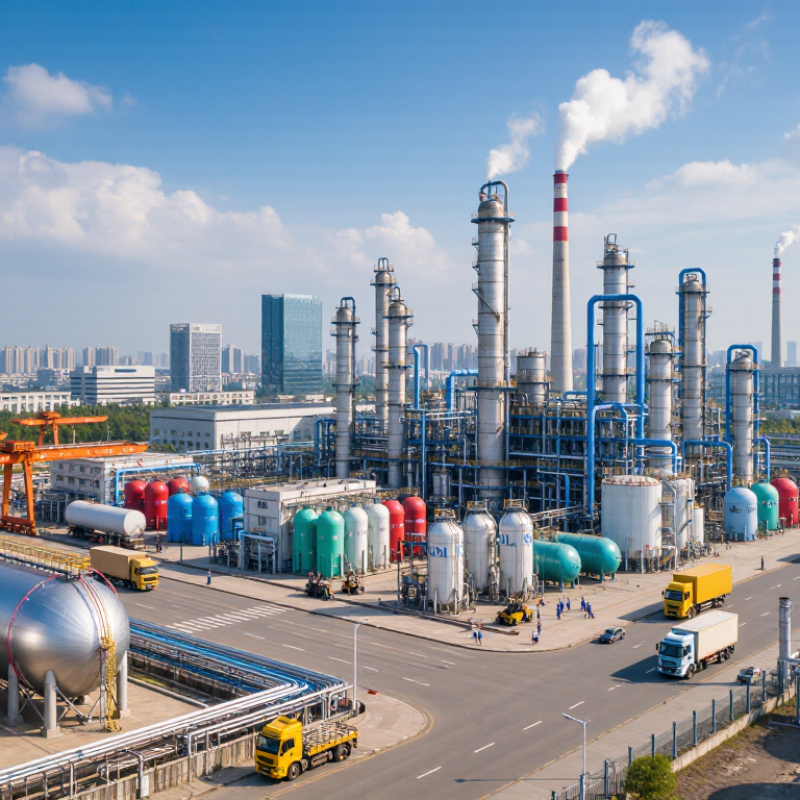
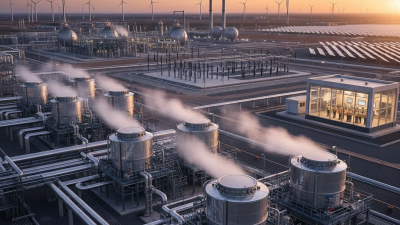
China’s industrial gas industry supports steel, chemicals, electronics, food processing, healthcare, and clean-energy projects. Its scope is broad, from bulk oxygen and nitrogen to specialty gases for precision manufacturing. Demand is strongest near industrial clusters, ports, and large production bases.
The top 10 industrial gas suppliers are usually assessed by production capacity, cylinder networks, delivery reliability, safety records, and technical service. Large producers operate air separation units beside steel mills and chemical parks. They may supply oxygen, nitrogen, argon, hydrogen, carbon dioxide, and compressed gas mixtures. Smaller specialists often serve laboratories, hospitals, and semiconductor-related facilities.
Market structure remains mixed. National suppliers compete with regional producers and independent distributors. On-site generation reduces transport costs for high-volume users. Cylinder delivery remains important for smaller factories and remote customers. Quality control depends on purification systems, storage conditions, testing, and trained operators. I have seen purchasing teams focus too much on unit price. That can be misleading. A cheaper gas may create downtime through delayed delivery or inconsistent purity.
Reliable evaluation requires current plant capacity, local coverage, emergency response, and compliance documentation. Public rankings can also differ. Some measure revenue, while others count production assets or regional reach. The “top 10” list therefore needs a clear method, not just a familiar name. Regional data is sometimes incomplete. That limitation deserves attention.
China’s top ten industrial gas suppliers should be judged by evidence, not visibility alone. Production capacity matters, but purity consistency matters more. Oxygen, nitrogen, argon, hydrogen, and carbon dioxide serve different process risks. A supplier supporting steel, electronics, or healthcare needs suitable technical experience.
The World Steel Association reported that China produced about 1.019 billion tonnes of crude steel in 2023. This scale indicates substantial demand for oxygen, nitrogen, and argon. The International Energy Agency also identifies China as a major hydrogen production and demand market.
These reports show market depth, not supplier quality. Leading suppliers should provide audited capacity data, stable delivery records, emergency logistics, and documented quality controls. ISO 9001 and ISO 14001 certificates are useful signals. ISO 17025 testing capability can strengthen purity verification.
Buyers should also examine plant redundancy, cylinder or tanker traceability, accident records, and transparent energy pricing. A spreadsheet can rank suppliers. It cannot measure every midnight delivery. That limitation deserves attention.
Tips: Request twelve months of purity results and on-time delivery records. Visit a production site when possible. Compare total operating cost, not only gas price. Ask for a backup plan during maintenance or transport disruption. Be cautious with impressive claims lacking independent evidence. Even experienced buyers can overvalue scale and undervalue local service.
China’s top ten industrial gas suppliers represent different strengths rather than one identical business model. A national producer usually combines oxygen, nitrogen, and argon plants with pipeline delivery. A coastal supplier often serves steel mills, shipyards, and chemical parks through large storage tanks. An inland operator may compete through lower transport distances and flexible cylinder schedules. Some suppliers focus on electronic gases, where purity records, leak control, and batch traceability matter more than simple volume.
Other profiles reveal narrower expertise. One supplier specializes in hydrogen systems and pressure management. Another supports food-grade carbon dioxide customers with strict contamination checks. A medical-gas provider emphasizes cylinder testing, delivery continuity, and hospital documentation. A regional distributor connects smaller factories with bulk and packaged gases. An equipment-led company builds separation units and provides maintenance after installation. A specialty-gas supplier serves laboratories and advanced manufacturing with calibrated mixtures. A final profile may combine logistics, storage, and emergency replenishment across several provinces.
Public rankings remain imperfect. Revenue is useful, but it cannot prove dependable service. I would examine plant capacity, safety records, technical staffing, certificate validity, and delivery performance. Site evidence helps. So do customer references and recent inspection results. A polished website is not enough. Some suppliers disclose limited operating data, which makes comparison difficult. Buyers should also check response times, cylinder ownership terms, impurity specifications, and backup production before signing long contracts. Small details matter.
China’s top ten industrial gas suppliers are often compared by capacity, product range, and regional coverage. However, no single ranking fits every buyer. Large providers typically supply oxygen, nitrogen, argon, hydrogen, carbon dioxide, and specialty gas mixtures. Their customers include steel mills, semiconductor plants, hospitals, food processors, chemical factories, and glass manufacturers.
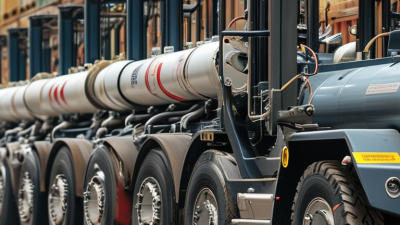
Technology shapes service quality. Cryogenic air separation supports high-volume oxygen and nitrogen production. Pressure swing adsorption serves smaller sites with flexible on-site generation. Membrane systems can provide nitrogen with lower installation demands. Some suppliers also use electrolysis for hydrogen and recovery systems for carbon dioxide. Delivery may involve cylinders, liquid tankers, or pipeline networks. Digital sensors track pressure, purity, temperature, and remaining inventory.
A food plant may need stable nitrogen flow during packaging, while a semiconductor facility requires extremely low contamination levels. Hospitals need dependable medical oxygen systems, tested equipment, and emergency reserves. Steel producers usually focus on flow stability and continuous delivery. Experience shows that purity alone is not enough. Poor scheduling, weak backup planning, or unsuitable storage can interrupt production. A supplier’s technical team should inspect the site, review consumption patterns, and explain safety procedures clearly. The “top ten” label can still hide uneven regional service, so buyers should question delivery records, testing methods, maintenance response, and actual application experience.
Comparing China’s industrial gas suppliers requires more than reading a top-ten ranking. The right choice depends on gas type, purity, delivery distance, and plant stability. World Steel Association data shows China produced about 1.02 billion tonnes of crude steel in 2023. This scale creates strong demand for oxygen, nitrogen, argon, and hydrogen. Semiconductor, chemical, food, and medical users require different specifications. A supplier suitable for a steel mill may fail a high-purity electronics application.
Start with a practical scorecard. Check certified purity, moisture limits, filling accuracy, storage capacity, and emergency delivery time. Review production redundancy, maintenance records, and on-site response arrangements. The IEA’s Global Hydrogen Review 2024 identifies China as the world’s largest hydrogen producer and consumer, with annual production exceeding 35 million tonnes. That figure signals market depth, but it does not prove equal reliability between suppliers. Ask for recent certificates, test methods, and traceable batch records.
Cost comparisons often need correction. A lower cylinder price can hide rental charges, transport delays, or higher rejection rates. Compare the delivered cost per usable cubic metre, not only the invoice price. Also examine electricity exposure, because air-separation units can consume substantial power. In my view, many procurement teams overvalue purity numbers and undervalue delivery discipline. That is a weakness. A supplier may promise 99.999% purity, yet repeated late deliveries can stop a production line. Trial orders, plant visits, customer references, and a documented contingency plan provide stronger evidence than marketing claims.