Top 10 Wastewater Flocculants You Should Consider?
In the realm of wastewater treatment, the choice of flocculants is critical. Wastewater Flocculants enhance the separation of solids from liquids. According to a report by MarketsandMarkets, the global flocculant market is projected to reach $7.2 billion by 2026. This growth reflects increasing environmental regulations and the need for efficient wastewater management.
Selecting the right wastewater flocculant can significantly impact treatment efficiency and costs. Studies indicate that improper flocculant selection can lead to higher operational costs. Innovations in flocculant technology offer better performance, but they require careful evaluation. Many wastewater treatment facilities still rely on outdated options. This often leads to suboptimal results and increased environmental risks.
As industries strive for sustainability, the role of wastewater flocculants becomes even more vital. The push for cleaner water sources may drive the demand for advanced flocculants. However, choosing the most effective product presents challenges. Facilities must balance cost, compatibility, and environmental impact while ensuring compliance with regulations. Evaluating these factors is essential for optimal wastewater management.
Definition and Importance of Wastewater Flocculants
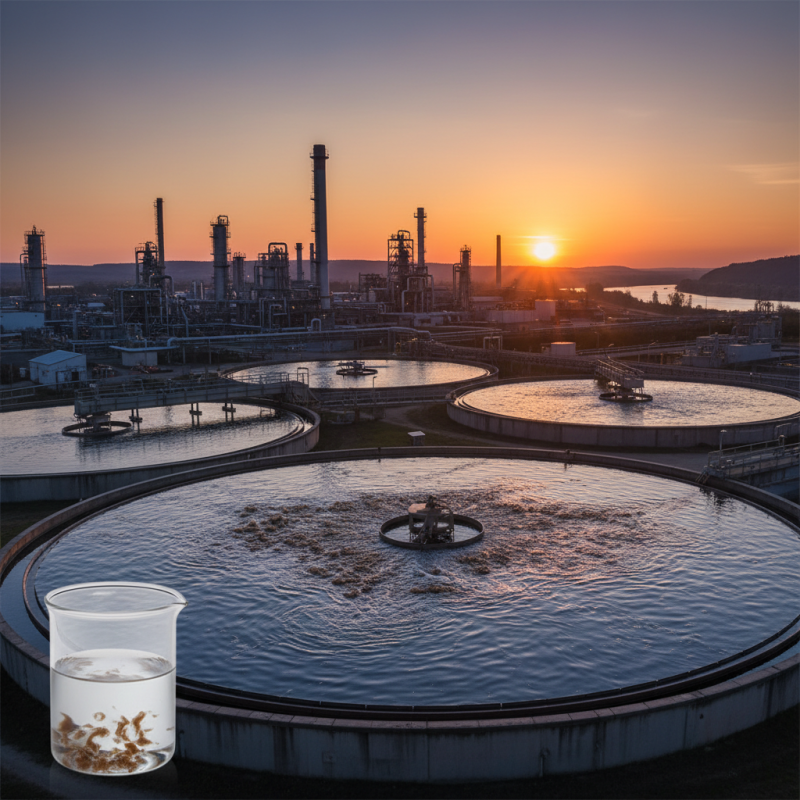
Wastewater flocculants play a crucial role in treating water. They effectively bind small particles, forming larger aggregates called flocs. This process enhances the removal of impurities during wastewater treatment. Without these agents, many contaminants would remain suspended in the water, making it difficult to purify.
The importance of flocculants extends beyond mere cleaning. They can help reduce sludge volume, making disposal easier and more efficient. When used correctly, they can vastly improve the efficiency of sedimentation and filtration processes. However, the selection of the right flocculant is often challenging. Different types have varied properties and may not work well with all wastewater compositions. Testing and evaluating should be standard practice, but not all facilities adhere to this rigor. In some cases, operators may rely on trial and error, risking inefficiency.
Types of Wastewater Flocculants and Their Functions
When it comes to wastewater treatment, flocculants play a crucial role. These chemical agents help in the aggregation of suspended solids. They improve the clarity of water by causing small particles to clump together. Different types of flocculants serve various functions in the treatment process.
Organic flocculants are commonly used for their effectiveness and biodegradability. These can include polyacrylamides, which are widely recognized. They enhance sedimentation rates significantly. On the other hand, inorganic flocculants, such as aluminum and ferric salts, are also popular. They work quickly and are effective in a range of pH levels. However, their usage can sometimes lead to residual metals in treated water, which is a consideration for user safety.
Natural flocculants, derived from plants or microorganisms, have gained attention recently. They are eco-friendly options but can be less consistent in effectiveness. Many industries seek the right balance between effectiveness and environmental impact. The choice often leads to challenges in process optimization and compliance. Ultimately, selecting the right flocculant is a nuanced decision that requires careful consideration.
Key Factors to Consider When Choosing Flocculants
When selecting wastewater flocculants, several key factors must be taken into account. The effectiveness of a flocculant varies depending on the specific application. Consider the type of wastewater being treated. Different pollutants may require different flocculants to achieve optimal results. For example, oily waste might need a unique approach compared to industrial sludge.
Another important factor is the dosage. Too much flocculant can lead to further complications, creating more sludge than is manageable. A thorough understanding of the water chemistry is vital. Test the water regularly to adjust flocculant types and dosages. The pH levels can affect the performance of the flocculant. It’s essential to monitor these variables closely.
Cost also plays a critical role. While it might be tempting to choose a cheaper option, consider the long-term effectiveness and potential issues. Cost-effective solutions often come with hidden risks. Observing the treatment process helps identify these risks early on. Understand that finding the right flocculant may involve trial and error. Stay open to adjusting your approach based on real-time results.
Top 10 Recommended Wastewater Flocculants and Their Applications
Flocculants play a vital role in wastewater treatment. They help remove suspended solids efficiently. Different flocculants suit various types of wastewater. Recognizing the right one can optimize the treatment process.
Polyacrylamides are popular flocculants. They work well in diverse applications, especially in industrial settings. Their efficiency can vary based on factors like temperature and pH levels. Using them incorrectly may lead to insufficient floc formation, wasting resources.
Another option is aluminum sulfate. This flocculant is effective in drinking water treatment. It can also be used for wastewater. However, overuse might cause residual aluminum in the water. Keeping the dosage in check is crucial.
Tips: Always conduct jar tests before full-scale applications. This helps predict the flocculant's performance better. Regular monitoring of water quality is essential. Adjustments may be needed to maintain optimal conditions. Reflection on the results can lead to improved outcomes. Consider seasonal changes that affect treatment efficiency.
Environmental Impact and Safety Considerations of Flocculants
The use of wastewater flocculants raises important environmental issues. Proper disposal is essential. If not managed correctly, flocculants can harm aquatic life. Studies have shown that certain synthetic flocculants may remain in waterways, causing toxicity. The Environmental Protection Agency emphasizes the need for alternatives that are biodegradable and less harmful.
When selecting flocculants, safety data is key. Regulatory assessments often examine the potential impacts on human health. The Agency for Toxic Substances and Disease Registry highlights concerns about long-term exposure. Certain flocculants can potentially disrupt endocrine systems. Monitoring residues in treated water is crucial.
**Tips:** Always review safety data sheets before use. Look for flocculants with minimal environmental footprints. Conduct regular toxicity tests to identify any adverse effects. Balancing efficiency and safety in wastewater treatment is essential for sustainability. Sustainability should be a priority in your decision-making process. Small choices can lead to significant impacts.
Top 10 Wastewater Flocculants Impact Analysis