2026 Top Nitrogen Tanks for Global Buyers What to Look For?
As industries evolve, the demand for nitrogen tanks continues to grow. These tanks are essential for a variety of applications, including food preservation and pharmaceuticals. However, choosing the right nitrogen tank can be challenging. Buyers need to consider several factors, such as storage capacity, material, and safety features.
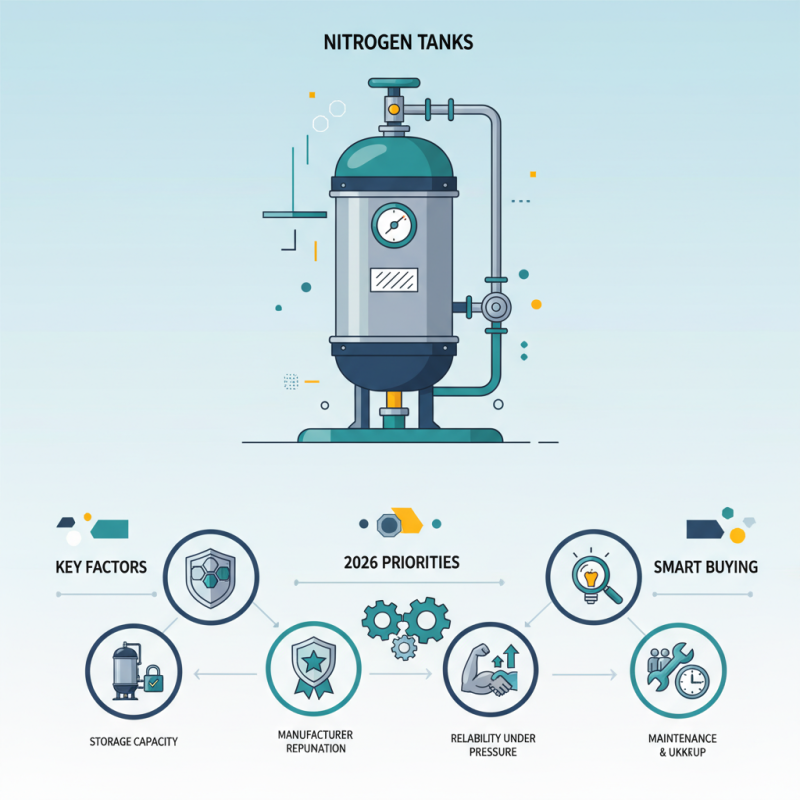
In 2026, global buyers should prioritize tanks that meet strict safety standards. It's crucial to evaluate the reputation of manufacturers. Look for companies with a proven track record. Reliability is key when it comes to nitrogen tanks. You want assurance that they will perform under pressure.
Additionally, engaging with experienced professionals can enhance your understanding. Seek out insights from reputable sources to refine your selection. This approach may highlight common pitfalls. Potential buyers often overlook maintenance aspects. Neglecting regular checks can lead to failures. Thus, remain proactive in your evaluation and upkeep decisions.
Key Features of Nitrogen Tanks for Global Markets
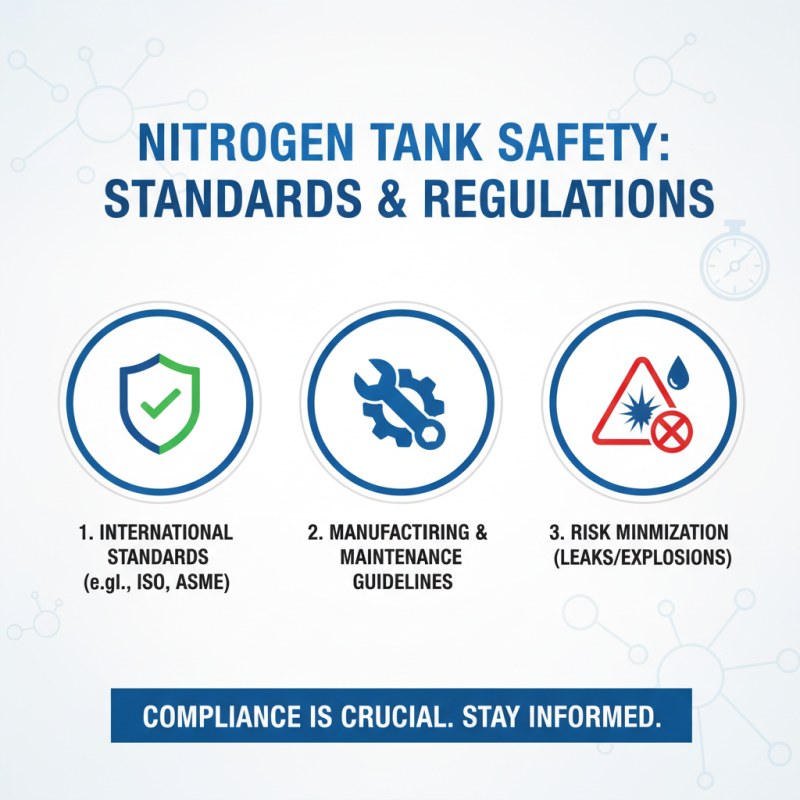
When selecting nitrogen tanks for global markets, key features play a crucial role. These tanks must meet varied industry standards, such as ISO and ASME, to ensure safety and efficiency. According to a recent industry report, the demand for nitrogen tanks is projected to grow by 5% annually through 2026. This growth is driven by applications in pharmaceuticals, food packaging, and metal production.
Capacity is an important factor. Buyers should consider the volume they need. Tanks typically range from small 50-liter containers to large 2,000-liter units. The choice of size directly impacts operational efficiency and storage costs. Lightweight materials like aluminum are popular, yet still, some users question the durability compared to traditional steel tanks.
Additionally, the insulation properties of the tanks are vital. Proper insulation reduces nitrogen loss during storage. While many manufacturers now focus on improving insulation technologies, not all products achieve the same performance. Depending on the industry, users may need to evaluate thermal efficacy to optimize costs. Decision-making should include thorough research and comparisons to ensure a reliable and efficient nitrogen supply.
Understanding Different Types of Nitrogen Tanks Available
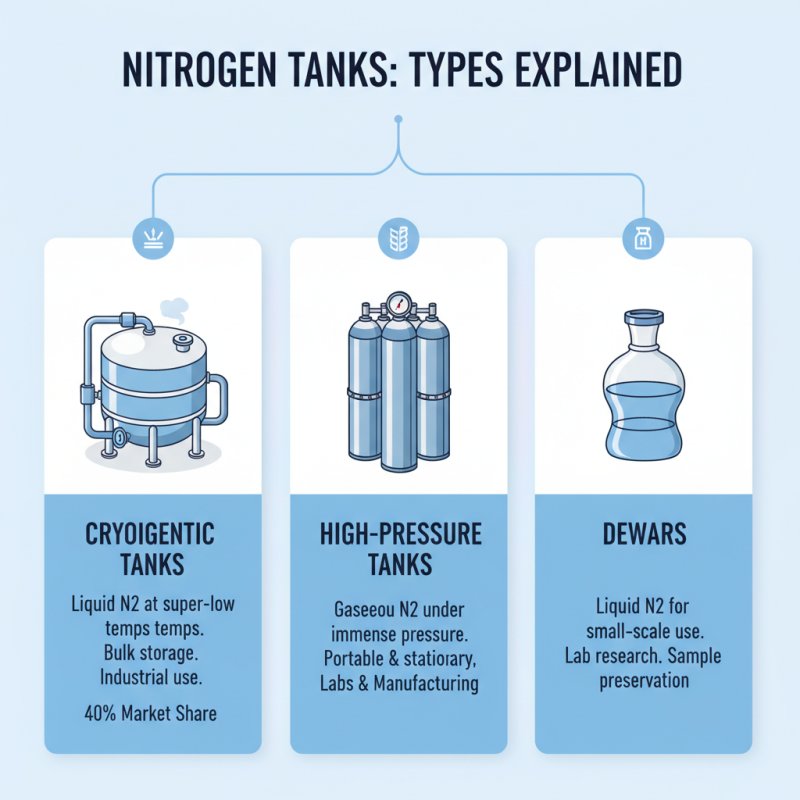
When selecting nitrogen tanks, it is crucial to understand the different types available. Generally, these tanks fall into three categories: cryogenic tanks, high-pressure tanks, and dewars. Cryogenic tanks are designed to store liquid nitrogen at extremely low temperatures. They are ideal for industries that require bulk storage. According to a recent market report, cryogenic tanks account for nearly 40% of the nitrogen tank market due to their efficiency in large-scale applications.
High-pressure tanks, on the other hand, hold nitrogen gas at elevated pressures. These are commonly used in laboratories and manufacturing plants. Industry data indicates that the demand for high-pressure tanks has grown by 25% over the past five years. This growth reflects the increasing need for nitrogen in various industrial processes. Dewars are another option, primarily used for smaller volumes. They provide easier handling and portability. Although they represent a smaller market share, their versatility makes them valuable in many settings.
Choosing the right nitrogen tank depends on several factors. Potential buyers should consider capacity, pressure rating, and intended use. Some users might overlook maintenance requirements, which can lead to inefficiencies or safety issues. Understanding the specifications and limitations of each type is essential. Addressing these aspects ensures that users select a tank that not only meets their current needs but also adapts to future requirements.
Factors Influencing the Selection of Nitrogen Tanks
When selecting nitrogen tanks, several key factors come into play. Understanding the tank's material, for example, is crucial. Tanks are commonly made from aluminum or steel. Aluminum tanks are lighter, making them easier to handle. Steel tanks, on the other hand, tend to offer greater durability. Choosing the right material can affect portability and longevity.
Another important aspect is the tank’s pressure rating. High-pressure tanks are essential for specific applications, while lower-pressure tanks may suffice for others. The intended use of the nitrogen tank will greatly influence this decision. Consider whether the tank will be used for industrial purposes or smaller-scale operations.
Additionally, the size of the tank matters. Larger tanks hold more nitrogen but can be cumbersome. Smaller tanks facilitate easier transport but may require frequent refills. Evaluating your needs can lead to foggy decisions about size and capacity. Take time to reflect on how often you will use the tank. This clarity can help streamline your selection process.
2026 Top Nitrogen Tanks for Global Buyers: What to Look For? - Factors Influencing the Selection of Nitrogen Tanks
| Tank Type |
Capacity (Liters) |
Material |
Pressure Rating (PSI) |
Weight (kg) |
Price (USD) |
| Vertical Tank |
1000 |
Carbon Steel |
3000 |
250 |
$2,500 |
| Horizontal Tank |
2000 |
Stainless Steel |
2500 |
300 |
$4,000 |
| Dewars |
50 |
Aluminum |
150 |
20 |
$1,200 |
| Cryogenic Tank |
500 |
Stainless Steel |
5000 |
400 |
$6,000 |
| Portable Tank |
150 |
Plastic |
180 |
10 |
$800 |
Cost Considerations When Purchasing Nitrogen Tanks
When purchasing nitrogen tanks, cost is a critical factor. Prices can vary widely based on size and type. Smaller tanks are generally more affordable, but they may require more frequent refills. In contrast, larger tanks have higher upfront costs. However, they offer better long-term savings as they require less frequent maintenance.
Operational costs also matter. Think about transportation and installation expenses. These can add to the overall budget. It's important to account for these additional costs without overlooking the quality of the tank. A cheaper option may lead to higher repair costs later on. Buyers should consider whether the initial savings justify potential future expenses.
Don’t forget about regulatory compliance. Understanding local laws concerning nitrogen tanks can help avoid costly fines. Make sure to research safety standards as well. Tanks must meet certain criteria to ensure safety during operation. A tank that meets these requirements can provide peace of mind. It’s wise to learn from past experiences, both good and bad, to make a knowledgeable purchase.