How to Optimize LNG Storage for Maximum Efficiency?
In the evolving landscape of the energy sector, optimizing LNG storage has become critical. As Peter Smith, a leading expert in LNG storage, stated, "Efficient storage solutions can significantly impact supply chain effectiveness." The demand for liquefied natural gas (LNG) continues to rise, pushing companies to rethink their storage strategies.
LNG storage involves several challenges. Factors such as temperature control, tank pressure, and space utilization require careful consideration. Businesses must analyze these elements to enhance efficiency. Although progress has been made, many facilities still face limitations. Inadequate infrastructure often leads to increased operational costs and potential safety hazards.
Reflecting on current practices, it is clear that some methods may be outdated. Innovations, such as advanced insulation materials and automated monitoring systems, are essential. Yet, the industry must remain cautious while embracing new technologies. Balancing efficiency with safety is paramount. The pursuit of optimized LNG storage remains an ongoing journey, filled with learning and adaptation.
Understanding LNG Storage Fundamentals and Requirements
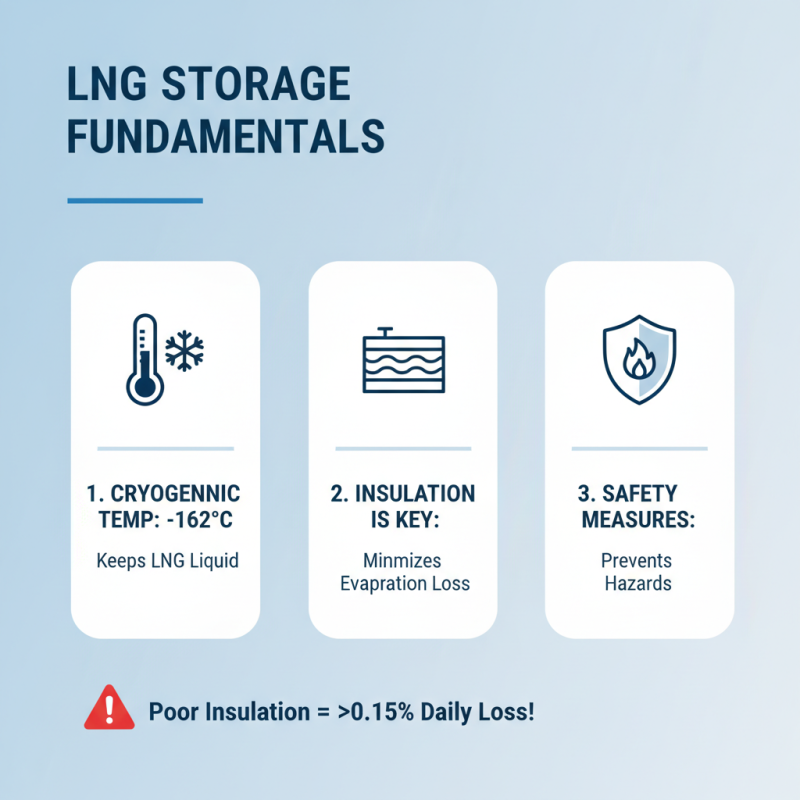
Understanding LNG storage is crucial for optimizing efficiency. Liquefied Natural Gas (LNG) storage involves unique fundamentals. Proper insulation and safety measures are vital. Cryogenic temperatures keep LNG in liquid form, typically around -162°C. A well-designed storage facility can minimize evaporation losses. Reports suggest that poorly insulated tanks can have losses exceeding 0.15% daily.
Tips: Regular maintenance checks can prevent leaks. Monitor temperature fluctuations closely. This can help in identifying potential problems early.
Effective storage sites should be strategically located. Proximity to pipelines and transport facilities reduces costs. Data indicates that logistics account for nearly 25% of total LNG costs. Investing in advanced monitoring systems can optimize storage efficiency. These systems can track inventory levels and environmental conditions.
Tips: Invest in technology that enhances visibility. Use software to analyze data trends. Analyzing this data can lead to informed decisions, enhancing overall efficiency. Remember, continuous improvement in processes can yield significant long-term benefits.
Designing LNG Storage Facilities for Safety and Efficiency
Designing LNG storage facilities requires careful attention to safety and efficiency. Effective design helps to minimize risks and maximize operational effectiveness. Consider the layout of tanks. Adequate spacing is crucial; it prevents potential hazards and allows for emergency access.
**Tip:** Design a clear pathway around all tanks. This eases regular inspections and maintenance. Proper ventilation is vital too. It reduces gas accumulation and enhances safety measures. Insufficient ventilation can lead to dangerous conditions.
Focus on advanced materials for construction. They provide better durability and resistance to harsh conditions. This choice affects long-term efficiency. However, high-tech solutions must be balanced with cost considerations. Overspending can lead to budget overruns and project delays. Regular assessments can help manage this risk effectively.
**Tip:** Choose a mix of conventional and advanced materials. This approach can balance costs and safety. Always review designs with industry experts to spot potential flaws. Collaboration can uncover valuable insights that improve overall efficacy.
How to Optimize LNG Storage for Maximum Efficiency?
| Dimension |
Description |
Best Practices |
Efficiency Impact (%) |
| Insulation Material |
Type of insulation used in storage tanks. |
Use high-performance insulation to minimize thermal losses. |
15% |
| Tank Design |
Configuration and shape of LNG storage tanks. |
Optimize tank shape for uniform pressure distribution. |
20% |
| Cooling Systems |
Heat exchange methods used to maintain LNG temperature. |
Implement advanced cooling technology to enhance efficiency. |
25% |
| Safety Systems |
Fire and leak detection systems in place. |
Regularly update and maintain safety equipment and protocols. |
10% |
| Maintenance Schedule |
Frequency and thoroughness of tank maintenance. |
Adopt predictive maintenance strategies for timely repairs. |
30% |
Technological Innovations in LNG Storage Optimization
Recent advancements in LNG storage technology highlight the potential for significant efficiency gains. Innovations such as membrane tanks and flexible containment systems are gaining traction. According to a report by the International Gas Union, optimized storage facilities can reduce boil-off gas (BOG) losses by up to 80%. This reduction is crucial for enhancing overall efficiency and operational cost savings.
One major area for improvement is insulation technology. Advanced insulation materials can decrease thermal losses drastically. Enhanced designs now allow for more compact storage, saving on space and costs. In LNG terminals, the integration of real-time monitoring systems helps manage conditions efficiently. Data from the Global LNG Market report indicates that predictive analytics can increase storage yield accuracy by 30%. However, the implementation of these technologies is not without challenges.
Integrating new technologies requires investment and training. Many facilities struggle with the transition. Technical knowledge gaps can inhibit progress. Additionally, older storage systems may complicate upgrades. Recognizing these hurdles is crucial for the industry’s evolution. Addressing these issues will define future LNG storage optimization strategies. As LNG demand grows, so does the urgency for innovative solutions.
Optimization of LNG Storage Efficiency
Best Practices for LNG Inventory Management and Monitoring
Effective LNG inventory management is crucial for optimizing storage. Accurate monitoring reduces waste. The use of advanced sensors and real-time data analytics helps maintain optimal storage conditions. According to a report by the International Gas Union, 10% of LNG can be lost due to inefficiencies in handling. This indicates a need for better inventory practices.
Regular inspections are also necessary. These inspections help identify leaks or spills. A study from the Gas Technology Institute highlights that routine maintenance can improve storage efficiency by up to 15%. Operators often overlook these factors, leading to significant losses. Implementing a robust monitoring system is not just beneficial; it’s essential for long-term sustainability.
Specialized training for personnel adds another layer to effective management. Staff must understand the complexities of LNG handling. This reduces human error, a common source of problems. The LNG market is competitive, and staying ahead means acknowledging these details. Ignoring small inefficiencies can accumulate and lead to major financial impacts over time.
Environmental Considerations in LNG Storage Optimization Strategies
Optimizing LNG storage involves careful environmental considerations. The effective management of leakage is crucial. Even tiny leaks can lead to significant environmental damage. Regular monitoring helps identify potential issues early. Using advanced materials for storage tanks can minimize risks as well.
Location plays a vital role in optimizing LNG storage. Facilities near water bodies may face higher risks of spills and contamination. Choosing a safe site can mitigate these concerns. Ventilation also matters. Proper air circulation reduces pressure buildup and enhances safety.
Training personnel is often overlooked. Staff must understand emergency protocols for potential leaks. Awareness of the environmental impact of their actions is essential. Conducting regular drills ensures readiness. Reflecting on past incidents can improve future strategies.