How to Optimize Your Gas Application for Maximum Efficiency?
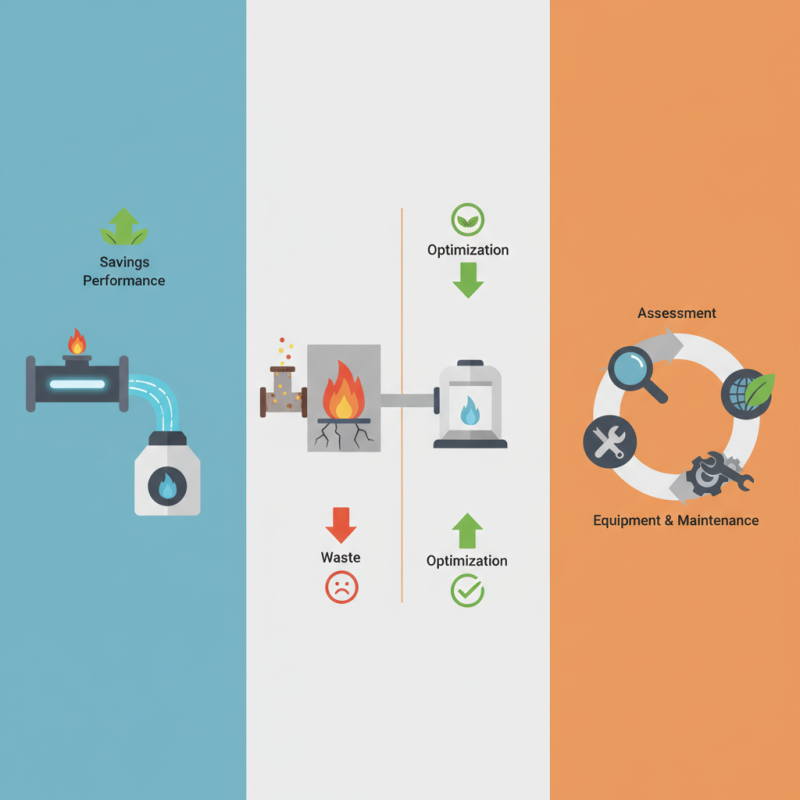
In today's energy-driven world, optimizing your gas application is essential. Efficient use of gas can lead to significant savings and improved performance. However, many overlook critical aspects of their gas systems.
Maximizing efficiency requires careful assessment of your gas application. From equipment selection to maintenance, every part matters. Small leaks or outdated appliances can waste energy. Even a minor oversight can lead to increased costs and environmental impact.
Reflect on your current setup. Are there areas where waste occurs? Identifying inefficiencies is the first step toward improvement. Embracing optimization is not just smart; it's necessary for sustainability in our ever-changing landscape.
Understanding Gas Application Efficiency Fundamentals
Understanding gas application efficiency is crucial in today's energy landscape. According to the U.S. Department of Energy, gas systems can achieve efficiency levels ranging from 70% to 95%. However, many applications fall short of their potential. This inefficiency can lead to increased operational costs and elevated emissions.
One key reason for these inefficiencies is suboptimal system design. Often, facilities do not fully assess their energy needs. Incomplete analyses can result in oversized or undersized equipment, leading to waste. Reports show that up to 30% of energy is often wasted in poorly designed gas systems.
Furthermore, maintenance is often overlooked. Neglecting regular checks can diminish system performance. A recent study highlighted that routine maintenance can increase efficiency by 15% or more. Identifying leaks and ensuring optimal settings are vital for maintaining peak performance. By addressing these aspects, operators can vastly improve their gas application efficiency.
How to Optimize Your Gas Application for Maximum Efficiency?
| Efficiency Metric |
Value |
Optimal Range |
| Burn Efficiency |
92% |
90% - 95% |
| Heat Transfer Efficiency |
85% |
80% - 90% |
| Gas Consumption |
1200 m³/day |
1000 - 1500 m³/day |
| Emission Levels |
50 mg/m³ |
Below 75 mg/m³ |
| System Maintenance Frequency |
Monthly |
Every 1-3 months |
Identifying Key Factors Impacting Gas Utilization
Optimizing gas applications begins with understanding key factors that impact gas utilization. According to a recent report from the International Energy Agency, improper equipment adjustments can lead to energy losses of up to 30%. This inefficiency often stems from outdated technology. Upgrading devices can drastically enhance performance.
Another critical factor is the quality of gas being used. Impurities can reduce the efficiency of combustion systems. A study by the Gas Technology Institute highlighted that high-quality gas can improve efficiency rates by nearly 15%. Therefore, ensuring the purity of gas supplies should be a priority for operators. Regular monitoring can reveal hidden inefficiencies that require attention.
Maintenance practices also play a crucial role. Neglecting scheduled inspections can lead to equipment failures, which may result in unexpected downtime. In 2022, industries reported an average increase of 20% in operational costs due to maintenance lapses. Refining maintenance schedules is essential to minimize these costs and improve overall output. Identifying and addressing such issues is crucial for optimizing gas applications effectively.
Implementing Advanced Technologies for Optimization
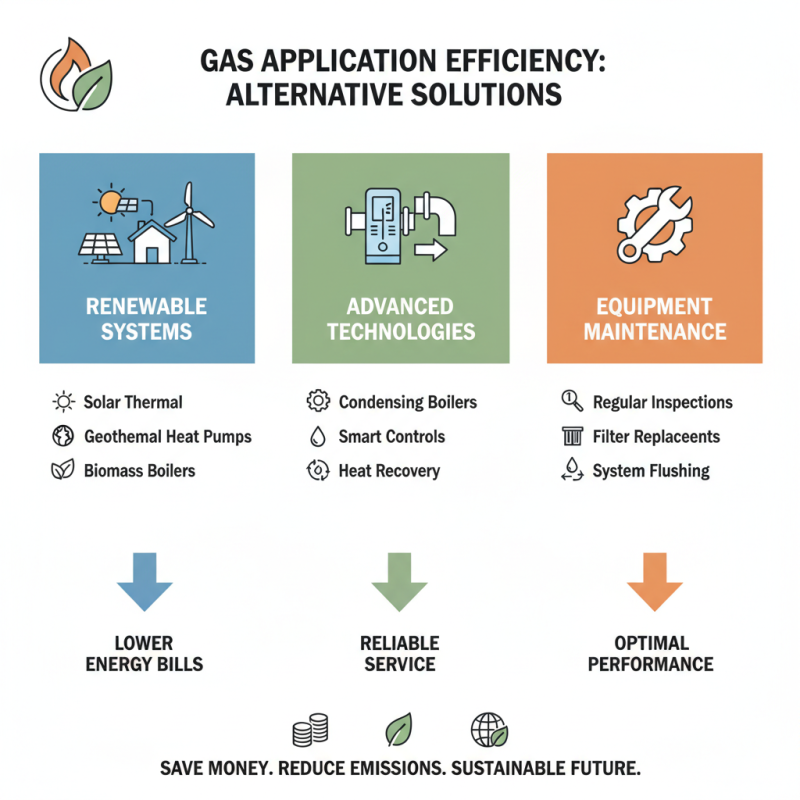
Optimizing your gas application requires embracing advanced technologies. One approach involves utilizing sensors to monitor gas flow and pressure in real time. These devices provide data that helps identify inefficiencies. For instance, a slight pressure drop might indicate a leak. Detecting such issues promptly can save resources and prevent safety hazards.
Integrating artificial intelligence can further enhance efficiency. By analyzing historical usage patterns, AI can predict future demands and adjust supply accordingly. This leads to more efficient operations. However, relying too heavily on technology can lead to oversight. There’s a risk of underestimating manual checks. Balancing automation with human input is crucial for effective optimization.
Innovative software solutions also play a role in improving gas management. They enable operators to visualize complex data in user-friendly formats. This transparency helps teams identify trends and areas needing improvement. Despite these advancements, challenges remain. Some teams may struggle to adapt to new processes. Overcoming resistance to change is essential for maximizing efficiency in gas applications.
Conducting Regular Maintenance and Monitoring Practices
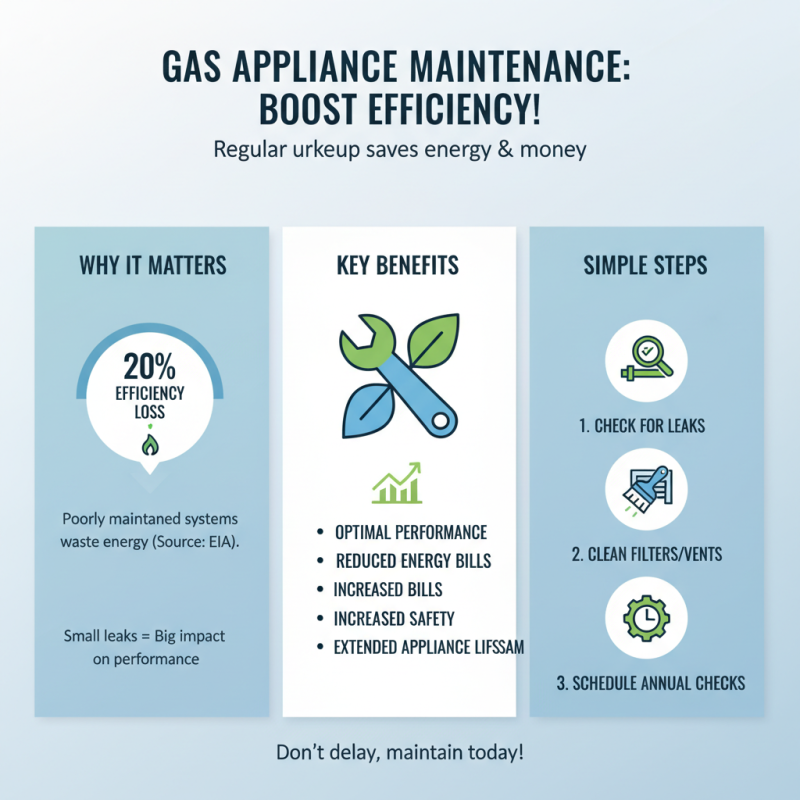
Regular maintenance of gas applications is crucial for optimizing efficiency. Data from the Energy Information Administration suggests that poorly maintained systems can lose up to 20% of their efficiency. Simple tasks, like checking for leaks, can help improve performance. Even a small leak can significantly impact overall output.
Monitoring practices should be routine and consistent. Regular inspections allow for early detection of issues. According to industry research, facilities that monitor system performance frequently report a 15% increase in energy efficiency. This means a clearer path to cost savings. Ignoring these practices can lead to unnecessary energy waste and rising operational costs.
Many operators fail to prioritize these actions. Sometimes, they underestimate the impact of regular checks on performance. Advanced monitoring tools are available, yet not all facilities adopt them. This reluctance may stem from budget constraints or lack of awareness. Nonetheless, implementing a structured maintenance schedule can yield measurable benefits. Consistent attention to these areas can illuminate potential inefficiencies, ultimately leading to a more optimized gas application.