What is Oil Gas and How Does It Impact the Global Economy?
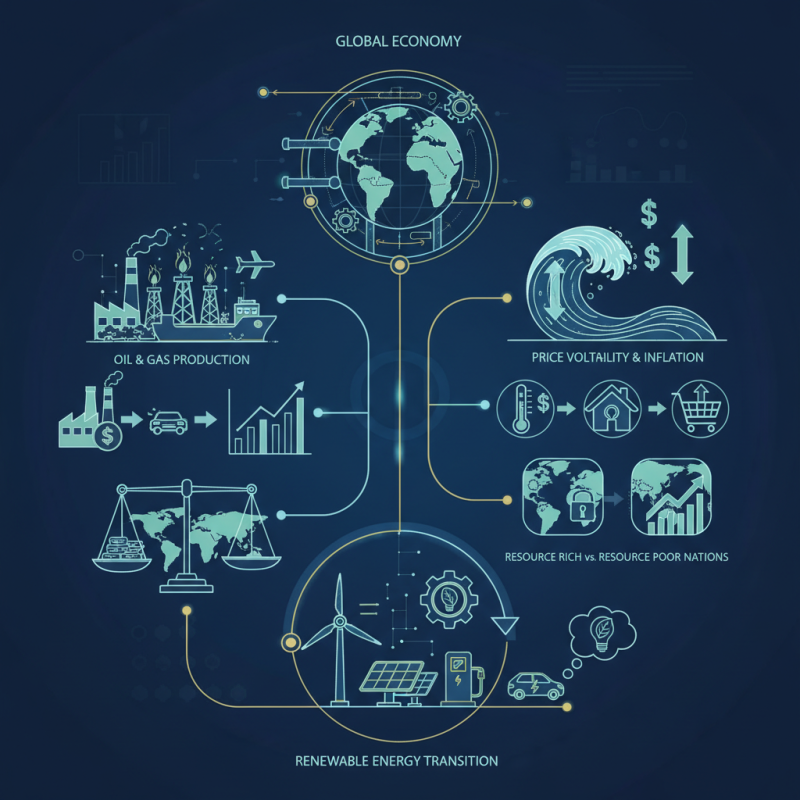
Oil gas plays a crucial role in the global economy. It influences nearly every sector, from transportation to manufacturing. The reliance on oil gas has shaped trade relationships and economic policies worldwide. Countries rich in these resources often find themselves in powerful positions.
However, this dependence comes with challenges. Fluctuations in oil gas prices can destabilize national economies. For instance, sudden price hikes can lead to inflation and increase living costs. Nations that lack oil gas resources may face economic pressure, impacting their development.
The future of oil gas is uncertain. Transitioning to renewable energy is urgent but complex. The historical reliance on oil gas raises questions about sustainability. Addressing this will require reflection and innovative solutions from global leaders.
What is Oil Gas?
Oil and gas are critical resources that fuel the global economy. They are used in transportation, heating, and electricity generation. In 2022, the global oil demand reached about 100 million barrels per day, according to the International Energy Agency. This shows the immense reliance on oil and gas.
Exploration and production come with risks. The industry faces environmental concerns, fluctuating prices, and geopolitical tensions. A report by Rystad Energy stated that unexpected global events could lead to rapid price changes. This can complicate planning for businesses dependent on oil and gas. Some regions rely heavily on these resources, making them vulnerable to market shifts.
Additionally, fossil fuel dependency raises sustainability questions. Data from the Global Carbon Project indicates that oil and gas account for over 70% of global CO2 emissions. Transitioning to renewable energy sources is essential. However, this shift is not straightforward. Balancing these challenges with economic needs requires careful consideration. The future of oil and gas remains uncertain, but its impact is undeniable.
The Formation and Types of Oil and Natural Gas
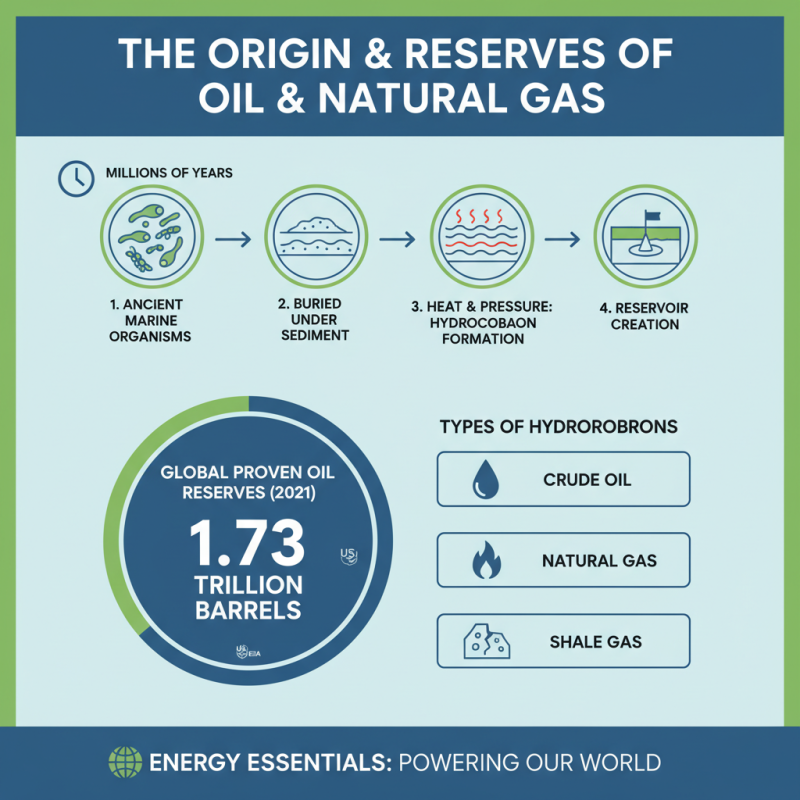
Oil and natural gas are crucial energy sources that formed over millions of years. They originate from ancient marine organism remains, compressed under layers of sediment. As heat and pressure build, organic matter transforms into hydrocarbons. This process takes place within specific geological conditions, creating reservoirs of oil and gas. According to the U.S. Energy Information Administration, global proven oil reserves were approximately 1.73 trillion barrels in 2021. Notably, various types of hydrocarbons exist, including crude oil, natural gas, and shale gas.
The types of gas vary too. Natural gas mainly consists of methane, but it can also contain ethane and propane. Shale gas, which comes from rock formations, has gained importance recently. The International Energy Agency noted that by 2040, shale gas could supply over 20% of global gas demand. Besides, countries are competing over these resources, highlighting political and environmental concerns. Issues raise questions about sustainable practices against the backdrop of economic benefits. Emissions linked to fossil fuels require urgent attention. Finding a balance between resource extraction and environmental responsibility poses challenges for many nations.
The Role of Oil and Gas in Energy Production
Oil and gas play a crucial role in global energy production. They serve as primary sources of fuel for various industries. Power plants often rely on natural gas to generate electricity. This dependency shapes energy policies worldwide. Many countries are heavily invested in oil and gas exploration. The quest for these resources drives significant technological advancements in extraction and processing.
Despite their importance, the reliance on fossil fuels poses challenges. Environmental concerns arise from extraction processes and carbon emissions. Spills and accidents can lead to devastating ecological damage. Some communities suffer from health issues related to nearby drilling. Yet, transitioning to cleaner energy sources is complex. Economic factors often hinder rapid shifts toward renewable options. Balancing energy needs with environmental responsibility remains a critical conversation. We must reflect on our energy choices and their long-term impacts.
Economic Contributions of the Oil and Gas Industry
The oil and gas industry plays a vital role in the global economy. It contributes significantly to job creation, both directly and indirectly. Millions of people rely on this sector for their livelihoods. From exploration to production, each step offers various employment opportunities.
Moreover, oil and gas drive technological advancements. Innovations in extraction and refining lead to increased efficiency. However, these changes raise environmental concerns. The quest for cleaner energy sources is a pressing challenge. Communities must balance economic growth with sustainability.
In addition, fluctuating oil prices impact almost every industry. Higher fuel costs can lead to increased prices for goods and services. This ripple effect can strain household budgets. Consumers often feel the pinch when oil prices rise sharply. Policymakers must navigate these complex dynamics carefully. Economic stability depends on their ability to address both energy needs and environmental responsibilities.
Impact of Oil and Gas Prices on Global Markets and Economies
Oil and gas prices are significant factors in the global economy. Fluctuations in these prices affect inflation rates. When oil prices rise, transportation and production costs increase. This, in turn, leads to higher prices for goods. Many everyday items become more expensive. This chain reaction impacts consumers and businesses alike.
In developing countries, rising oil prices can strain economies. Citizens face higher costs, leading to unrest. Governments often find it challenging to manage these economic pressures. In contrast, countries rich in oil might benefit from rising prices. Increased revenues can lead to greater investments in infrastructure and social programs. However, reliance on oil wealth can be risky. Economic stability can quickly shift with falling prices.
Energy transitions add complexity to these dynamics. As countries shift toward renewable resources, the demand for oil and gas may change. This can create uncertainty in markets traditionally reliant on fossil fuels. Many companies must rethink their strategies, weighing short-term gains against long-term sustainability. Therefore, the global economy's future remains intertwined with the ebb and flow of oil and gas prices. Economic resilience depends on adapting to these fluctuations.
Impact of Oil and Gas Prices on Global Markets and Economies
| Country |
Oil Production (Million Barrels/Day) |
Natural Gas Production (Billion Cubic Feet/Day) |
GDP Growth Impact (%) |
Current Oil Price (USD/Barrel) |
Current Gas Price (USD/MMBtu) |
| United States |
11.3 |
100 |
1.5 |
87 |
5.5 |
| Saudi Arabia |
10.6 |
12 |
2.2 |
90 |
6.0 |
| Russia |
10.5 |
65 |
1.0 |
85 |
4.5 |
| Canada |
5.4 |
15 |
1.8 |
86 |
5.7 |
| Iraq |
4.6 |
1.5 |
1.2 |
88 |
4.8 |