What is Oil Field Applications and Their Importance in Modern Industry?
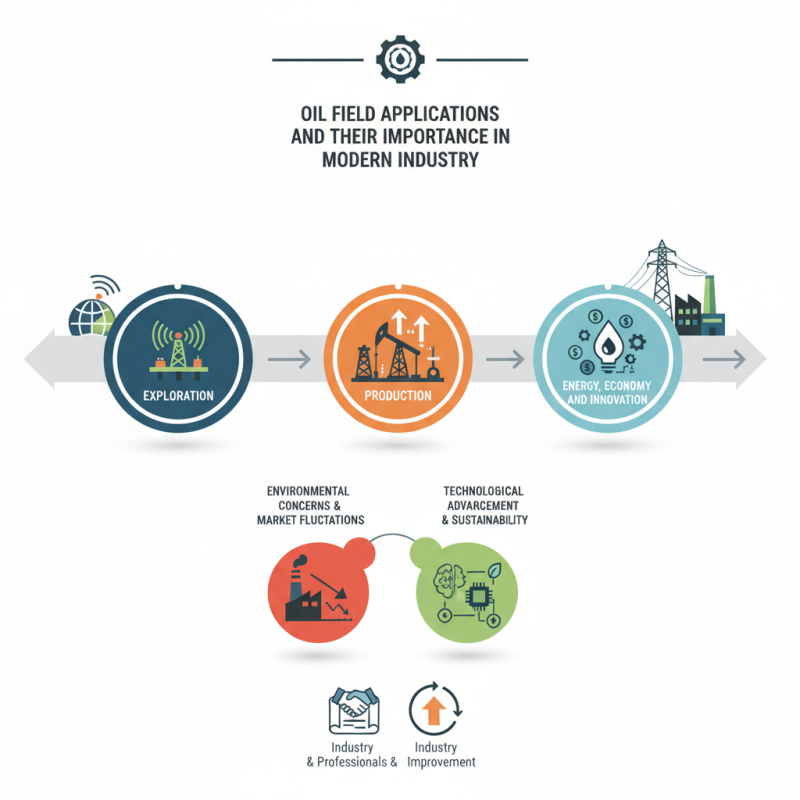
Oil field applications play a crucial role in modern industry. These applications encompass a variety of processes, from exploration to production. They involve advanced technologies and engineering practices that ensure efficiency and safety in oil extraction. The importance of oil field applications extends beyond energy supply; they also impact economic stability and job creation.
In today’s world, the reliance on fossil fuels remains significant. Oil field applications are indispensable in meeting this demand. They enable companies to locate oil reserves effectively. Furthermore, they maximize output while minimizing environmental risks. However, the industry faces challenges. Environmental concerns and fluctuating market prices require continuous innovation.
Understanding oil field applications is vital for industry professionals. Expertise in this area can lead to new techniques that enhance sustainability. The need for improvement is constant. Companies must adapt to changing regulations and technologies. Reflecting on past practices can drive progress and innovation within the oil sector.
Overview of Oil Field Applications in Modern Industry
Oil field applications play a crucial role in modern industry, influencing sectors from energy to transportation. The extraction of oil is essential for powering vehicles, heating homes, and generating electricity. According to a report from the International Energy Agency, global oil demand is projected to reach 104 million barrels per day by 2026. This highlights the importance of efficient oil field operations.
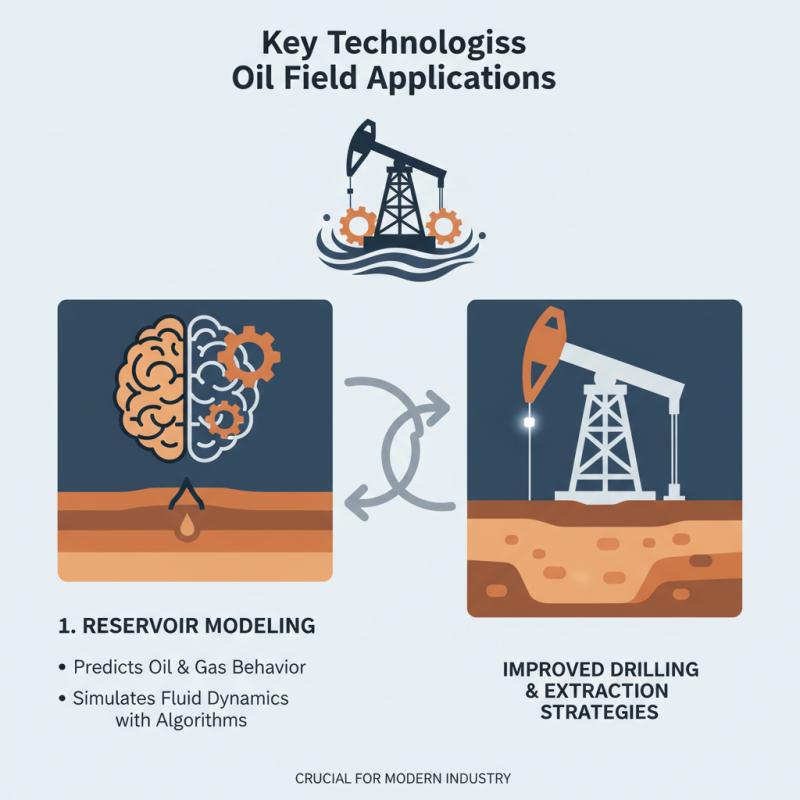
Innovations in drilling technology and enhanced oil recovery techniques have transformed how resources are extracted. Advanced methods have led to a 30% increase in oil recovery rates in the past decade, as reported by the Society of Petroleum Engineers. These advancements not only increase output but also reduce environmental impact. However, the industry faces challenges, including fluctuating prices and the need for sustainable practices. It remains critical for operators to adapt to these changes.
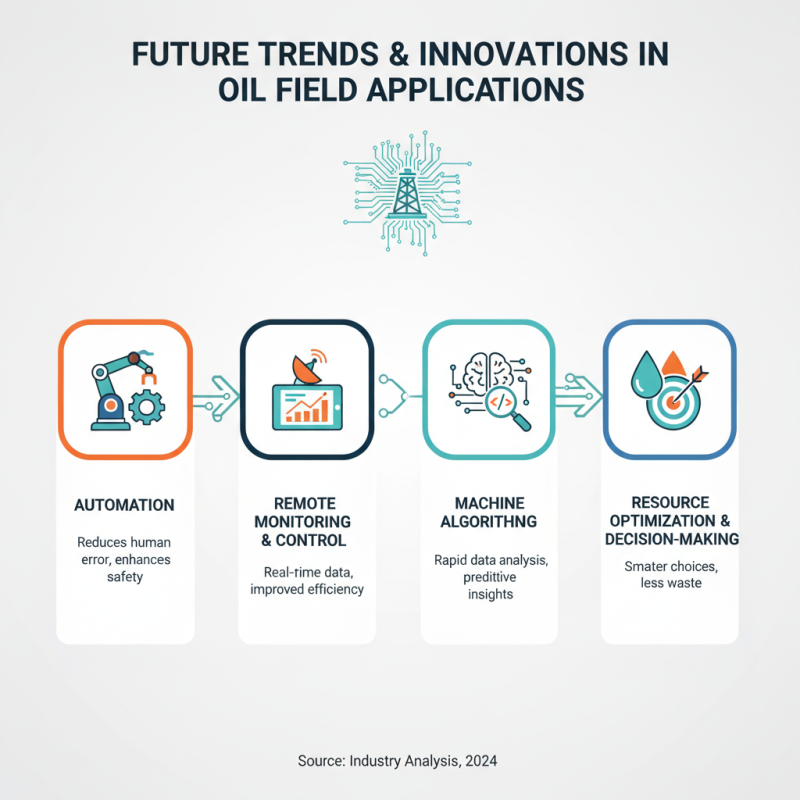
Tips for oil field management include regular equipment maintenance and investing in training for staff. Monitoring performance metrics can also optimize production. Implementing new technologies, such as AI for predictive maintenance, can further enhance efficiency. Ensuring safety protocols is vital to prevent accidents and enhance reliability. The complexity of oil field applications requires continuous improvement and adaptation to meet modern demands.
Economic Impact of Oil Field Applications on Global Markets
The economic impact of oil field applications on global markets is profound. In 2022, the oil and gas sector contributed to approximately $3.3 trillion to the global GDP, according to the International Energy Agency (IEA). This industry plays a crucial role in stabilizing economies and driving growth across various sectors. Job creation is significant, with over 4 million people employed directly in oil production. These jobs support families and communities.
Despite its importance, reliance on oil fields presents challenges. Fluctuating prices can lead to economic instability, impacting investment and development. In 2020, oil prices dropped drastically, causing revenue losses for many nations. The ongoing transition to renewable energy sources may further complicate this landscape, demanding a shift in strategies for oil-dependent economies.
Tip: Diversifying your energy portfolio can mitigate risks from oil price fluctuations. Consider investing in alternative energy projects to balance dependencies.
Oil field applications are also closely tied to
technological advancements. Enhanced oil recovery techniques have significantly boosted production efficiency. In recent years, innovations have led to a
10-20% increase in extraction rates. However, these techniques require substantial financial investments and expertise. The future of oil fields lies in adapting to changing market dynamics while addressing environmental concerns.
Tip: Keep abreast of technological trends in oil extraction. Adopting new methods could improve both efficiency and sustainability.
Environmental Considerations in Oil Field Operations
Oil field operations are crucial for energy production but often pose environmental challenges. Techniques like hydraulic fracturing and drilling can lead to land degradation and water contamination. A report by the International Energy Agency highlights that oil extraction can result in a 15% increase in greenhouse gas emissions from fossil fuels. Understanding environmental impacts helps the industry adopt smarter practices.
Regulatory frameworks are evolving to address these risks. The U.S. Environmental Protection Agency has set guidelines on waste management during oil operations. But some companies still struggle with compliance, leading to spills and accidents that cause severe ecological damage. According to the National Oceanic and Atmospheric Administration, incidents like oil spills often have long-term repercussions for marine life and coastal ecosystems.
Tip: Always consider the ecological footprint of your operations. Regular audits can uncover hidden inefficiencies. Prioritize investing in technology that minimizes waste and emissions. This not only benefits the environment but can also enhance operational efficiency. Sustainable practices are becoming not just ethical choices, but economic ones as well.