What is Household Insecticide and How Does it Work?
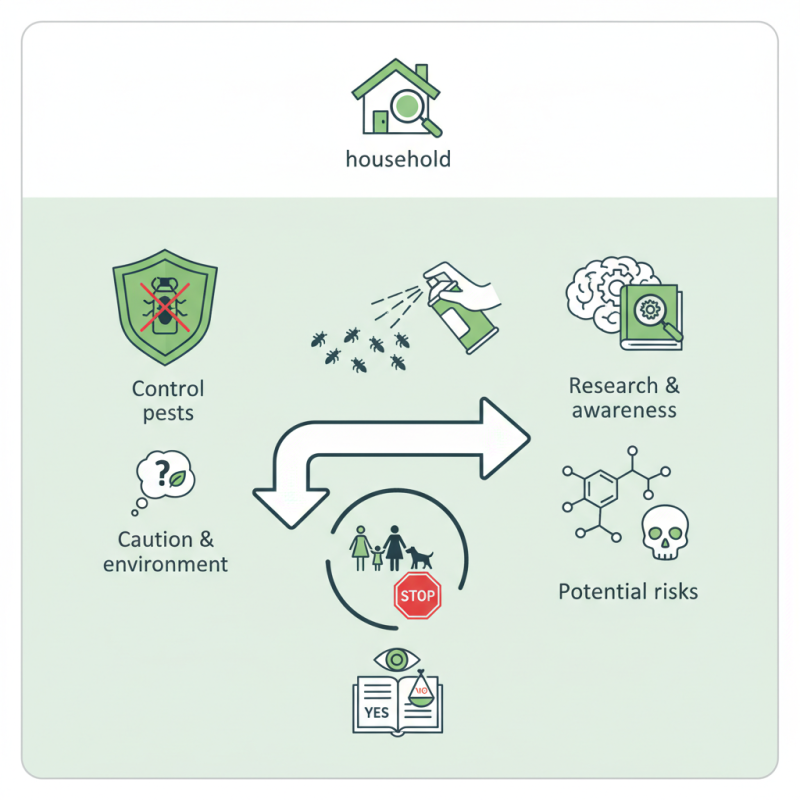
Household insecticides are commonly used to control pests in homes. These products play a crucial role in ensuring a pest-free environment. Dr. Emily Roberts, an entomologist, states, “Household insecticides can be effective, but their use must be approached with caution.” This highlights the need for responsible application.
When we think of household insecticides, we often envision sprays and baits. They are designed to target specific pests. However, their effectiveness can vary significantly based on various factors like formulation and application method. Additionally, many products contain chemicals that may pose risks to health and the environment, inviting reflection on their necessity.
Choosing the right household insecticide requires research and awareness. It's vital to read labels carefully and understand potential side effects. This leads to an important question: is convenience worth the potential risks? While household insecticides can be helpful, responsible use remains essential to minimize harm to families and pets.
What is Household Insecticide?
Household insecticides are products designed to kill or repel unwanted pests in our homes. They target insects such as ants, cockroaches, mosquitoes, and flies. According to the Environmental Protection Agency, over 50 million households in the United States use these products annually. The convenience they offer often outweighs concerns about their effects on health and the environment.
The active ingredients in household insecticides include pyrethroids, organophosphates, and neonicotinoids. These chemicals disrupt the nervous systems of insects, leading to paralysis and death. However, their potency raises questions about safety. Studies indicate that prolonged exposure may pose risks to humans and pets. The Centers for Disease Control and Prevention warns about headaches, nausea, and respiratory issues after improper use.
Consumer education is crucial. Many users apply these products without fully understanding their effects. This knowledge gap can lead to misuse and health hazards. Reports reveal that an estimated 14,000 people visit emergency rooms annually due to insecticide-related incidents. Balancing pest control with safety should be a priority for everyone. Learning proper application techniques is essential for reducing risks while effectively managing household pests.
Types of Household Insecticides and Their Uses
Household insecticides come in various forms. They serve the primary purpose of controlling pests and insects in living spaces. Understanding the types of these products can help you choose the most effective option for your needs.
There are several categories of household insecticides. Sprays are common for quick action against visible pests. They can be used indoors and outdoors. Baits are another type. They attract insects and deliver poison over time. They require patience but can be effective for persistent problems. Powders are also available. These are ideal for cracks and crevices, creating barriers against crawling insects.
Each type has its specific uses. However, using these insecticides can pose risks. Over-reliance on sprays may lead to resistant pests. Misapplication can expose humans and pets to toxins. It is essential to read instructions carefully. Not everyone follows guidelines. This might result in ineffective pest control. Careful consideration is vital when choosing an insecticide for your home.
How Household Insecticides Work: Mechanisms of Action
Household insecticides are vital in pest control. They target common household insects like ants, roaches, and spiders. Understanding how they work helps us use them safely and effectively.
Insecticides operate through several mechanisms. Some disrupt the insect's nervous system. These chemicals can block signals between nerves. This leads to paralysis or death. Others affect the insect's growth and reproduction. These products may prevent larvae from maturing. Insects can no longer breed, reducing their population.
Tips: Always read labels thoroughly before use. Ensure proper ventilation in your home. Consider using baits instead of sprays. They can be safer around pets and children. Remember, though they are effective, over-reliance on insecticides may lead to resistance in pest populations. Balance their use with alternative pest management strategies for better results. Revisit your pest control approach regularly for effectiveness.
Safety Considerations When Using Household Insecticides
Using household insecticides requires careful consideration of safety. Exposure to these products can pose health risks, particularly for children and pets. According to the Environmental Protection Agency (EPA), 14% of American households reported using insecticides regularly. However, many users are unaware of the proper safety measures.
Ventilation is crucial. Always use insecticides in well-ventilated spaces. Close windows and doors to minimize drift. The National Pesticide Information Retrieval System (NPIRS) notes that improper ventilation increases the risk of inhalation. Wash hands thoroughly after handling these chemicals to prevent accidental ingestion. Most insecticides contain active ingredients that can linger on surfaces for hours.
Storage is another concern. Keep insecticides away from food and out of reach of children. The Pesticide Action Network highlights that inadequate storage practices lead to unintentional poisonings. Users should read labels carefully. Misapplication is common and leads to product overuse. The continued reliance on household insecticides must be balanced with awareness of their potential impacts on health and the environment.
Best Practices for Application and Storage of Insecticides
When using household insecticides, proper application is essential. Studies show that 90% of insecticides have limited effectiveness if applied incorrectly. Use a sprayer for even distribution. Do not over-spray; excessive amounts create safety hazards. Read the label carefully to understand dosage preferences. Adjust based on room size and severity of infestation.
Storage of insecticides is equally vital. Keep products in a cool, dry place away from sunlight. Over 60% of insecticide-related accidents involve improper storage. They should never be stored near food items or accessible areas for children and pets. Use original containers to avoid confusion. Label or clearly mark any transferred contents. Think about checking expiration dates regularly to ensure efficacy and safety.
Remember, even household insecticides can pose risks. Inadequate ventilation during application can lead to respiratory issues. Ensure your home has proper airflow. Pests might adapt over time, reducing the effectiveness of your chosen products. Reflect on your methods and stay updated on best practices.
Household Insecticide Usage by Type