Why Is Gas Equipment Essential for Modern Energy Solutions?
In today's rapidly evolving energy landscape, gas equipment plays a crucial role. The International Energy Agency (IEA) reported that natural gas consumption will grow by 1.5% annually through 2025. This growth is largely due to the increasing reliance on gas for cleaner energy solutions. Equipment used in gas distribution and utilization has become more sophisticated and efficient.
Consider the importance of gas turbines. They have boosted overall efficiency in power generation systems by up to 40%. Additionally, advancements in gas equipment technologies facilitate the incorporation of renewable energy sources. However, challenges remain. Infrastructure upgrades often lag behind demand, risking operational efficiency.
Moreover, the inherent complexities of gas equipment require ongoing training for operators. A skilled workforce is vital to maximize the potential of these energy solutions. While gas equipment offers great promise, it is essential to reflect on the gaps in implementation and accessibility faced by some regions. Therefore, understanding the role of gas equipment is more important now than ever.
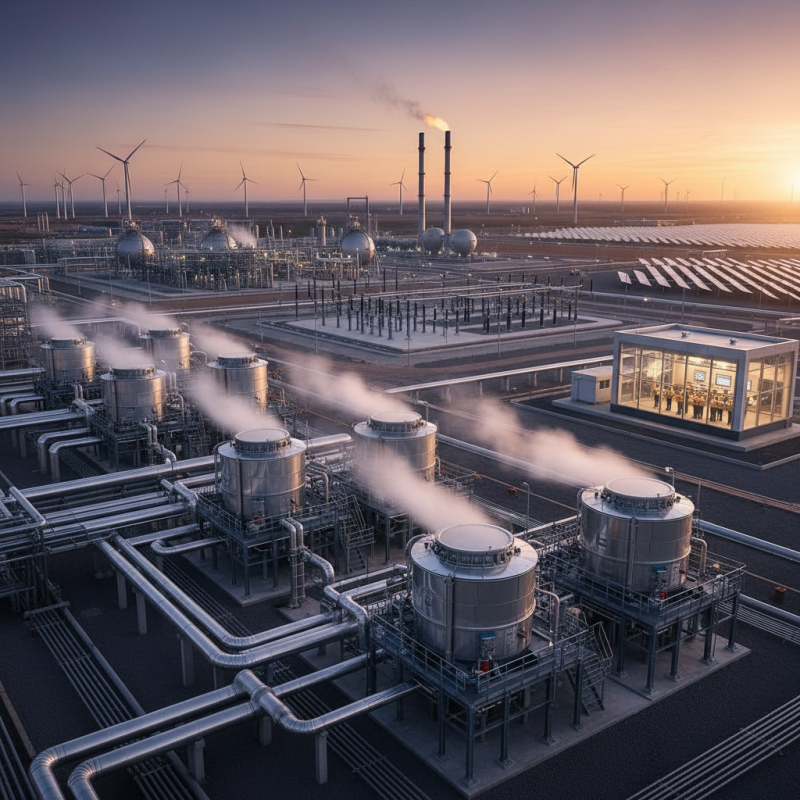
The Role of Gas Equipment in Energy Generation
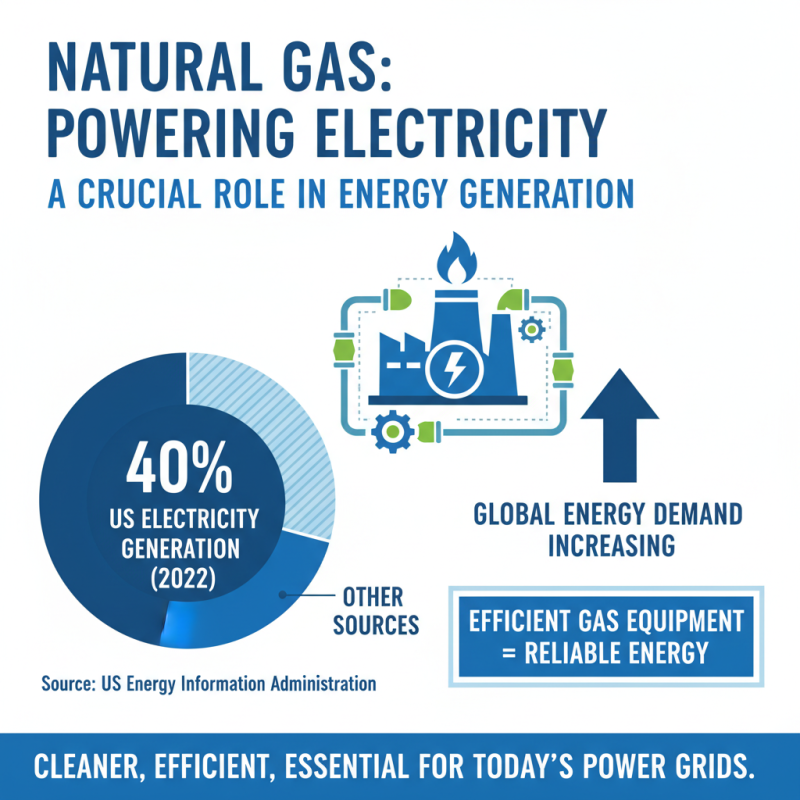
Gas equipment plays a pivotal role in energy generation today. Natural gas is a key player in powering the world's electricity. According to the U.S. Energy Information Administration, natural gas accounted for about 40% of the total U.S. electricity generation in 2022. This statistic highlights the importance of efficient gas equipment in meeting growing energy demands.
The efficiency of gas turbines is especially noteworthy. They convert approximately 60% of the energy in natural gas into electricity. In contrast, traditional coal plants range between 33% and 50%. As we push for cleaner energy, the demand for gas equipment will continue to rise. It is essential to invest in technologies that enhance these efficiency levels.
Tips: Regular maintenance of gas equipment can improve efficiency. Monitor emissions closely. This helps identify issues early. Keeping up with technological advances is crucial. Explore new methods that optimize gas usage. Each step taken helps in reducing overall costs and achieving sustainability goals.
Types of Gas Equipment Used in Modern Energy Solutions
Gas equipment plays a vital role in modern energy solutions. Various types of gas equipment cater to different needs. These include gas compressors, heaters, and turbines. Each piece of equipment serves a unique function, ensuring energy is managed efficiently.
Gas compressors increase pressure for easier transport and storage.
Heaters maintain specific temperatures for industrial processes.
Turbines convert gas energy into mechanical power.
In residential settings, gas appliances are common.
Water heaters and stoves often rely on natural gas. They provide convenient and effective solutions for everyday needs. However, their efficiency can vary.
Some systems may waste energy or require frequent maintenance. This raises questions about sustainability in energy use. Furthermore, ensuring safety is paramount. Leaks can lead to hazardous situations, demanding careful installation and monitoring.
The importance of gas equipment cannot be overstated, but it demands ongoing evaluation.
Benefits of Gas Equipment for Environmental Sustainability
Gas equipment plays a crucial role in enhancing environmental sustainability. According to the International Energy Agency, natural gas is a key transition fuel. It emits about 50% less carbon dioxide than coal when burned. This significant reduction makes gas an attractive option for energy generation today. As global energy demands rise, gas serves as a bridge toward a lower-carbon future.
Scores of industries rely on gas equipment for efficient operations. A report by the American Gas Association highlights that increased use of natural gas helps displace pollutants from traditional energy sources. However, challenges remain. Aging infrastructure can lead to methane leaks, which can negate the benefits of cleaner energy. The urgency to address these issues has never been greater.
Adopting gas equipment also encourages innovation. The development of advanced technologies leads to better energy efficiency. In fact, studies show that improved gas technologies can reduce emissions by up to 30% in certain applications. Yet, as we enhance our systems, we must be vigilant. It's essential to maintain a critical view of our progress and constantly seek improvements.
Technological Advancements in Gas Equipment Systems
Gas equipment systems have become pivotal in modern energy solutions. These advanced systems ensure efficiency, safety, and sustainability. With the rise of smart technology, gas equipment is evolving rapidly, becoming more user-friendly and efficient. Sensors and automation are common in today’s systems, enhancing responsiveness and performance.
Tips: Regular maintenance is key. Check for leaks regularly. This ensures safety and efficiency. Small issues can escalate quickly.
Gas equipment also faces challenges. Not all systems are optimized for energy-saving practices. Certain installations may lack up-to-date technology. Awareness of these gaps is crucial. Upgrading can be costly but beneficial in the long run.
Tips: Explore energy audits. Understanding your current system can highlight areas for improvement. Small changes can lead to big savings.
Why Is Gas Equipment Essential for Modern Energy Solutions?
This chart illustrates the impact level of various benefits provided by gas equipment systems in modern energy solutions. The metrics demonstrate significant contributions in efficiency improvement, cost reduction, emission control, safety enhancements, and technology integration, highlighting the essential role of gas equipment in advancing energy solutions.
Future Trends in Gas Equipment for Energy Efficiency
The future of gas equipment is closely tied to energy efficiency. As global energy demands increase, innovative solutions are needed. Reports indicate that gas equipment can enhance energy savings by up to 30%. This reduction is significant as industries look to decrease their carbon footprints.
Emerging technologies, such as advanced sensors, optimize gas usage. They monitor and adjust consumption in real time. This ensures efficient operation while minimizing waste. Moreover, newer designs for gas equipment focus on durability and sustainability. This shift reflects a broader trend toward environmentally friendly practices in energy consumption.
However, challenges persist. Many companies still rely on outdated gas technologies. They may resist change due to costs or uncertainty about new systems. It’s crucial for the industry to address these barriers. Investing in training and support for gas technology is essential for maximizing energy efficiency. The landscape is evolving, but there is still much work to be done.
Why Is Gas Equipment Essential for Modern Energy Solutions? - Future Trends in Gas Equipment for Energy Efficiency
| Dimension |
Description |
Trend |
Impact on Efficiency |
| Efficiency Standard |
Norms and regulations guiding performance metrics for gas equipment. |
Increasing regulatory requirements |
Promotes adoption of high-efficiency equipment. |
| Technological Advancements |
Innovations such as smart meters and advanced combustion technologies. |
Rising integration of IoT |
Improves monitoring and reduces wastage. |
| Sustainability Focus |
Shift towards lower carbon footprint solutions in gas equipment. |
Emerging renewable gas technologies |
Enhances overall energy sustainability. |
| Market Growth |
Expanding global demand for efficient gas solutions. |
Growing residential and industrial applications |
Increased competition drives innovation. |
| Consumer Awareness |
Greater public knowledge of energy efficiency impacts on costs and the environment. |
Trend towards eco-conscious purchasing |
Encourages manufacturers to focus on sustainable designs. |