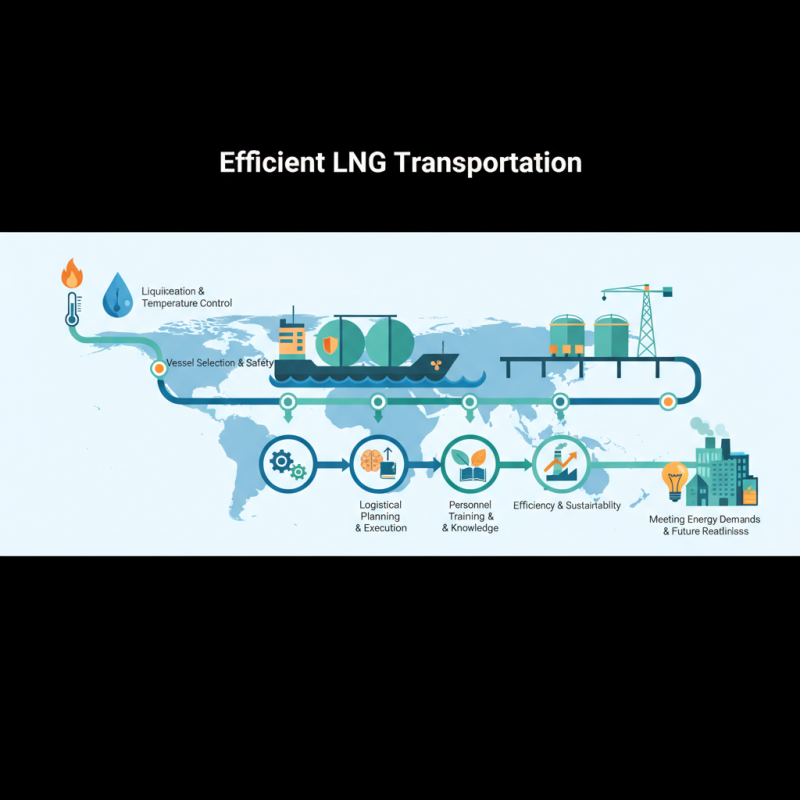
Efficient LNG transportation is crucial for meeting global energy demands. The process involves numerous logistical challenges that require careful planning and execution. Shipping liquefied natural gas involves unique considerations, including temperature control and vessel selection.
Adopting best practices can optimize the LNG transportation process. Successful operations rely on understanding the technical aspects of shipping and handling. However, mistakes can still happen. Continuous assessment and improvement are necessary. Learning from past experiences helps build a more efficient system.
Investing in training for personnel is essential for safety and reliability. Knowledgeable staff can prevent costly errors. Each step in LNG transportation should prioritize efficiency and sustainability. This approach not only meets today's demands but also prepares for future challenges.
LNG transportation is a complex system that involves various key components and processes. Understanding these elements is crucial for efficiency and safety. According to the International Gas Union, global LNG trade reached 360 million tons in 2022, highlighting the importance of effective transport logistics. The journey of LNG from production to consumption requires careful planning and execution.
One of the essential tips for efficient LNG transportation is optimizing the choice of vessels. The selection of LNG carriers impacts both cost and environmental performance. Modern vessels can transport vast amounts of gas, while minimizing energy consumption. Additionally, proper maintenance of these vessels is critical. Regular inspections prevent breakdowns and costly delays.
Another vital component is the loading and unloading process. This stage must be tightly managed to reduce turnaround times at terminals. One study noted that inefficiencies here can lead to losses of up to 5% of cargo. Implementing advanced technologies like automated systems can enhance these operations. Training personnel in handling LNG can also prevent errors that result in safety hazards.
Transparency in communication throughout the supply chain helps identify delays and potential risks. Monitoring real-time data allows for rapid response to unforeseen challenges. With these elements in check, the LNG industry can continue to grow while ensuring reliability and safety in its transportation processes.
LNG transportation requires strict safety protocols to minimize risks. Proper training for all personnel is crucial. Workers must understand the hazards associated with LNG, including its flammability and cryogenic temperatures. Regular drills can help reinforce safety practices. Equipment inspections should be routine, ensuring everything is in optimal condition.
Effective communication is vital during transit. Clearly defined roles and responsibilities help prevent accidents. Using detailed checklists can ensure nothing is overlooked. Emergency response plans need to be tested frequently. They should be realistic and include scenarios unique to LNG transport.
Despite precautions, challenges remain. Human error can still lead to incidents. The industry must continuously learn from near-misses and accidents. Regularly reviewing protocols can identify gaps. This proactive approach can enhance overall safety and reliability in LNG transportation.
| Tip No. | Tip Description | Safety Protocol | Best Practice |
|---|---|---|---|
| 1 | Regular Maintenance of Equipment | Follow manufacturer guidelines for inspections. | Schedule maintenance at regular intervals. |
| 2 | Training for Personnel | Conduct safety training sessions annually. | Implement drills for emergency situations. |
| 3 | Use of Correct Personal Protective Equipment (PPE) | Ensure PPE is appropriate for LNG handling. | Regularly inspect and replace worn equipment. |
| 4 | Implement Spill Prevention Measures | Use secondary containment systems. | Regularly review and update spill response plans. |
| 5 | Monitor LNG Temperature and Pressure | Utilize reliable sensors and alarms. | Implement continuous monitoring systems. |
| 6 | Secure Load During Transportation | Follow guidelines for load securing. | Conduct checks during transport. |
| 7 | Emergency Response Plans | Develop and distribute emergency procedures. | Regularly drill emergency response scenarios. |
| 8 | Documentation and Reporting | Keep detailed records of all transportation activities. | Ensure proper incident reporting protocols are followed. |
| 9 | Regular Safety Audits | Conduct audits to ensure compliance with safety standards. | Incorporate findings into safety training. |
| 10 | Consult External Experts | Engage experts for safety assessments. | Implement recommended safety improvements. |
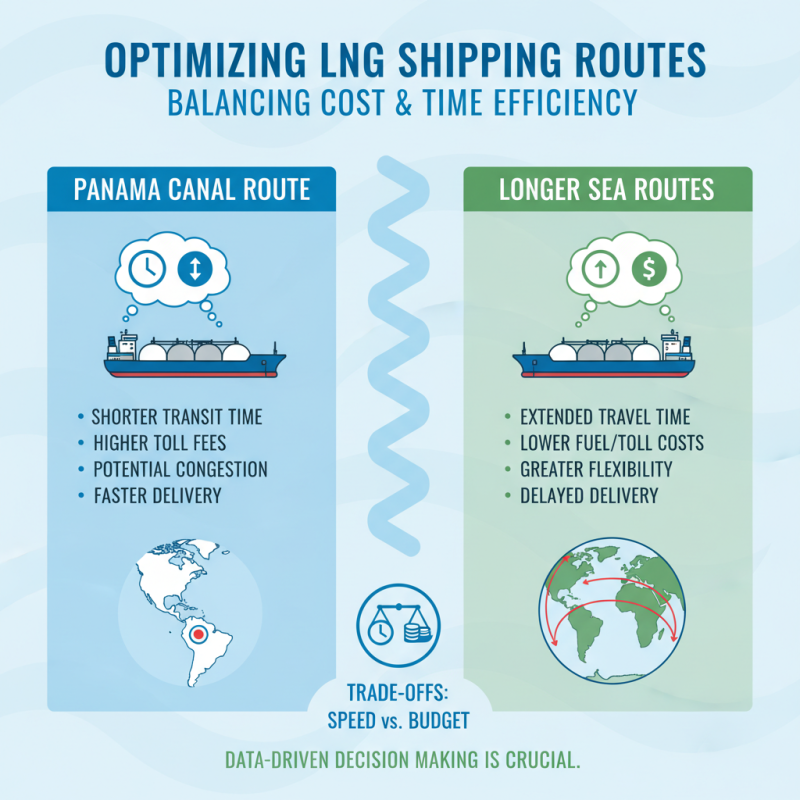
Efficient LNG transportation requires careful planning of shipping routes. Balancing cost and time efficiency is crucial. For instance, routes through the Panama Canal can save time but might be more expensive. On the other hand, taking longer routes may cut costs but increase delivery times. Each option has its trade-offs.
A clear strategy is essential. **Tip 1:** Analyze historical data to predict weather patterns. This can help avoid delays. **Tip 2:** Use advanced navigation software. These tools can suggest optimal routes based on current conditions. **Tip 3:** Collaborate with other shippers. By sharing resources, companies often discover cost-effective pathways.
It's important to evaluate the reliability of these strategies. Relying on technology can lead to oversights. Unexpected weather changes can still disrupt schedules. Adjusting plans on the go is vital. Investing in skilled professionals who understand these complexities can make a difference. They possess the expertise to navigate challenges effectively.
Efficient handling and storage techniques are crucial in Liquid Natural Gas (LNG) transportation. LNG is stored at temperatures around -162°C, necessitating specialized cryogenic tanks. These tanks must be well-insulated to prevent heat transfer, which can lead to boil-off gas. According to a report from the International Energy Agency, effective storage reduces the energy loss during transportation by 20%. This highlights the importance of appropriate storage solutions.
Another key aspect is the use of advanced handling techniques. For instance, the implementation of automated loading and unloading systems minimizes human error and speeds up the process. These systems often achieve loading rates of 1,000 cubic meters per hour, showcasing operational efficiency. However, some facilities still use outdated practices, leading to potential safety hazards. Continuous training and upgrading of equipment are necessary for adhering to safety protocols.
Regular maintenance of LNG carriers is essential to ensure integrity. The membrane system in these carriers requires thorough inspections to prevent leaks. Studies have shown that negligence in maintenance can increase operational costs by up to 30%. Investing in modern technology for monitoring can help mitigate these risks. The LNG industry must strive for innovative solutions while addressing existing inefficiencies.
Innovations in LNG transportation are transforming the industry. Emerging technologies are enhancing efficiency and safety. One notable advancement is the use of digital twins. This technology creates virtual models of physical assets, allowing for better monitoring and predictive maintenance. It minimizes downtime and reduces costs. Moreover, blockchain technology is improving transparency in transactions. By ensuring secure tracking of LNG shipments, it fosters trust among stakeholders.
Efficient logistics is crucial for LNG transportation. Effective scheduling can lead to significant cost savings. Utilizing AI for route optimization can enhance transport efficiency. Focus on real-time data analytics to make informed decisions. Implementing automated systems can streamline loading and unloading processes.
Training personnel in these technologies is essential. Human factors still play a crucial role in this high-risk sector. Safety measures must evolve alongside technological advancements. Frequent assessments of current practices are necessary. Companies need to adapt and innovate continuously.