Why Are Nitrogen Tanks Essential for Industrial Applications?
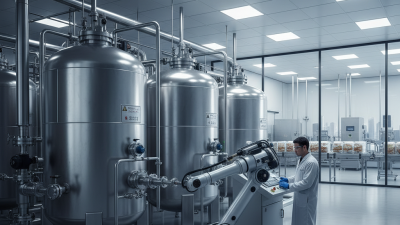
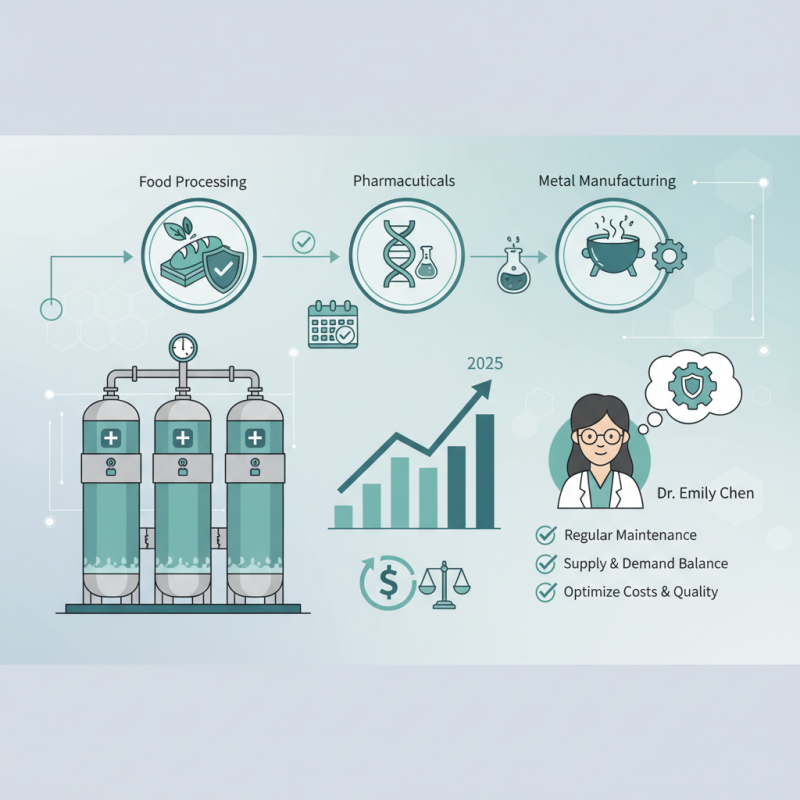
Nitrogen tanks play a crucial role in various industrial applications, providing a reliable source of nitrogen gas. In sectors like food processing, pharmaceuticals, and metal manufacturing, the need for high-quality nitrogen is vital. According to a report by MarketsandMarkets, the global nitrogen market is projected to reach over $7 billion by 2025, highlighting its significance.
Dr. Emily Chen, an expert in industrial gas applications, emphasizes this point: “Nitrogen tanks ensure the integrity of production processes in several industries.” For instance, in food packaging, nitrogen prevents oxidation, extending shelf life significantly. Yet, challenges persist. Many companies struggle with managing tank inventory efficiently.
Understanding the critical nature of nitrogen tanks can foster improvements in operations. Regular maintenance is often overlooked. It’s essential to strike a balance between supply and demand. Identifying the best practices in nitrogen usage can optimize not just costs, but also improve product quality. Nitrogen tanks, though often seen as simple tools, are key to industrial success.
Importance of Nitrogen in Industrial Processes
In industrial processes, nitrogen is vital. It is used extensively for inerting, blanketing, and purging. Nitrogen’s inert properties prevent unwanted reactions. A significant percentage, about 78%, of the atmosphere is nitrogen. This abundance makes it convenient and cost-effective for industries.
One key application is in food packaging. Nitrogen extends shelf life by replacing oxygen in containers. This technique is crucial for preserving freshness. According to a report by the Food Processing Industry, nitrogen-infused packaging can reduce spoilage by 30% or more. However, some manufacturers overlook the nuances of nitrogen use. Improper use can lead to compromised product quality.
In pharmaceuticals, nitrogen maintains a controlled environment. It minimizes oxidation during production. A study from the Pharmaceutical Technology Journal indicates that nitrogen flushing in drug manufacturing can enhance stability by up to 50%. Still, not all facilities optimize this process. There is room for improvement in monitoring and realizing the full potential of nitrogen in such essential applications.
Key Applications of Nitrogen Tanks in Industry
Nitrogen tanks play a crucial role in many industrial applications. They provide a reliable source of nitrogen, which is essential for various processes. In the food industry, nitrogen is used for packaging. This process prolongs shelf life and maintains freshness. Reports show that using nitrogen in packaging can reduce spoilage by up to 50%. This is significant for reducing waste.
In the chemical industry, nitrogen tanks are vital for creating an inert atmosphere. This helps prevent unwanted reactions during manufacturing. Studies indicate that approximately 30% of chemical production incidents are due to reactions with oxygen or moisture. By using nitrogen, industries can enhance safety and increase efficiency. Another area is in metallurgy. Nitrogen is used in heat treatment processes. It improves the quality of steel and other metals.
Despite these benefits, reliance on nitrogen tanks can pose challenges. The cost of maintenance and refilling can add up over time. Additionally, mishandling of nitrogen tanks can lead to hazards. Awareness and proper training are critical. Industries must invest in educating their workforce on safe practices. This ensures that the advantages of using nitrogen are fully realized. Too often, companies overlook these factors, leading to inefficiencies and potential risks.
Benefits of Using Nitrogen Tanks for Safety and Efficiency
Nitrogen tanks play a crucial role in various industrial operations. They provide a safe and efficient way to handle sensitive materials. Industries such as food processing and pharmaceuticals rely on nitrogen for preserving products. According to the Gas and Welding Distributors Association, nitrogen-based systems improve product shelf life by 30% or more.
Safety is a primary concern. Nitrogen is an inert gas, which reduces the risk of combustion and explosions. In chemical manufacturing, using nitrogen tanks can decrease accidents by up to 25%, as per a recent safety report. This significant reduction is vital, given that industrial accidents often lead to costly downtimes and injuries.
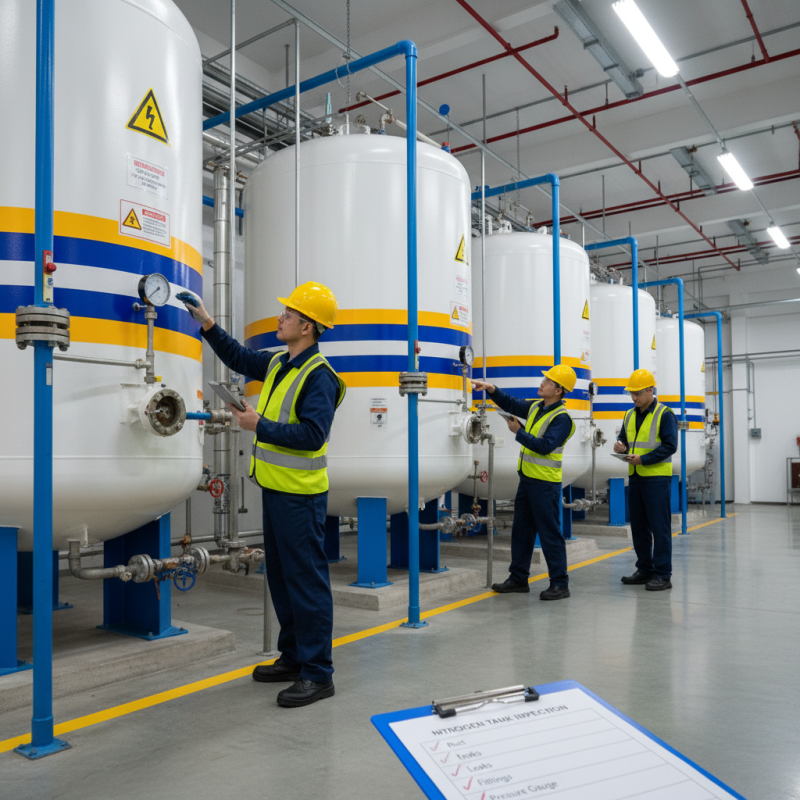
However, operating nitrogen tanks isn't without challenges. Regular maintenance is essential to ensure safety standards. Failure to check for leaks or pressure irregularities can lead to hazardous situations. Moreover, the initial cost of setting up nitrogen systems may be daunting for smaller businesses. Proper training for employees is necessary to maximize efficiency and uphold safety measures.
Benefits of Using Nitrogen Tanks in Industrial Applications
Factors to Consider When Selecting Nitrogen Tanks
When selecting nitrogen tanks for industrial use, several factors come into play. First, consider the tank size. It varies based on your project needs. Larger tanks hold more nitrogen but take up more space. Smaller tanks save space but may require frequent refills. Evaluate your operations to find the right balance between capacity and convenience.
Another key factor is pressure ratings. Different applications require varying pressures. Ensure the tanks you choose can handle the specific pressure levels essential for safe operation. Look closely at material and design, too. Some industries require tanks that are corrosion-resistant or lightweight. It’s crucial to understand both safety and efficiency in your selection.
Don’t overlook regulatory compliance. Each industry has specific standards that must be met. Ignorance of these can lead to costly delays or safety hazards. Lastly, think about refill and maintenance logistics. A poorly designed system can lead to downtime. Thus, the tank's use in your workflow is critical for seamless operations and productivity. Remember, a rushed choice may lead to complications down the road. Aim for a careful evaluation.
Why Are Nitrogen Tanks Essential for Industrial Applications? - Factors to Consider When Selecting Nitrogen Tanks
| Dimension |
Description |
Importance |
Considerations |
| Capacity |
The volume of nitrogen gas the tank can hold. |
Critical for ensuring sufficient supply for operations. |
Choose based on peak usage needs. |
| Material |
Type of metal or material used for tank manufacturing. |
Influences durability and safety of the tank. |
Must comply with regulatory standards. |
| Pressure Rating |
Maximum pressure the tank can safely handle. |
Essential for preventing tank failure. |
Align with operational pressure requirements. |
| Portability |
Tank's ability to be moved easily. |
Affects flexibility in handling gas supply. |
Consider location and transport logistics. |
| Cost |
Total expense involved in purchasing and maintaining the tank. |
Direct impact on the overall budget. |
Balance quality with affordability. |