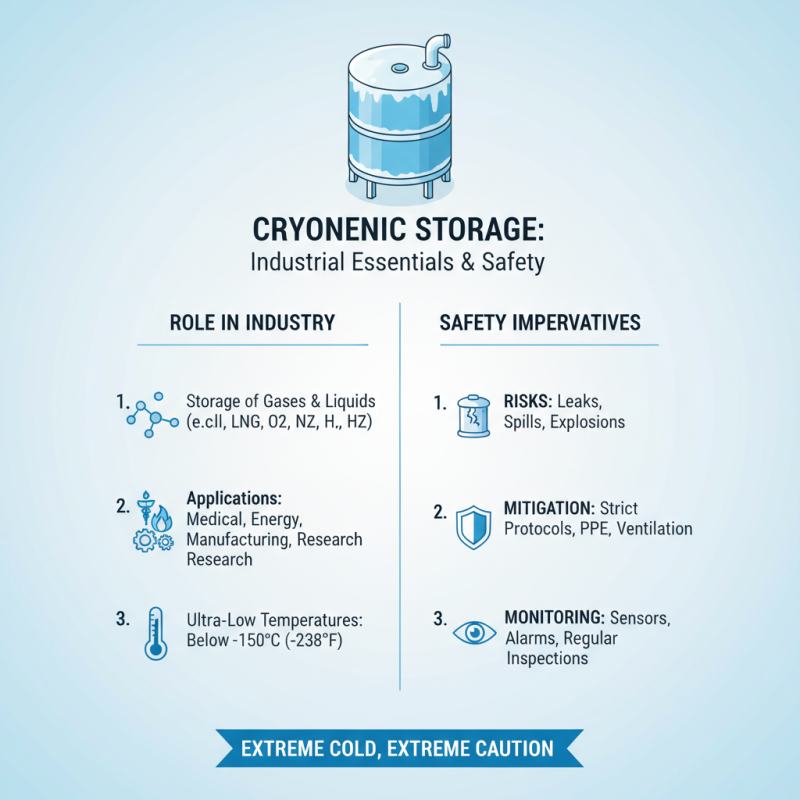
Why Cryogenic Storage Tanks are Essential for Modern Industry?
In today's rapidly evolving industrial landscape, the importance of cryogenic storage tanks cannot be overstated. These tanks play a crucial role in various sectors, such as healthcare and aerospace. Dr. Emily Carter, a leading expert in cryogenic technology, once stated, "Cryogenic storage tanks are vital for ensuring the integrity and safety of temperature-sensitive materials."
The utility of cryogenic storage tanks extends beyond mere convenience. They help maintain specific temperatures for gases and liquids, which is essential for processes ranging from medical applications to fuel storage. However, challenges exist. Not every facility can maintain optimal conditions, leading to potential risks.
The real-world implementation of cryogenic technology often faces hurdles. For example, improper training can lead to errors during handling. A deeper understanding of cryogenic principles is essential for operators. Overall, while cryogenic storage tanks are indispensable, constant evaluation and improvement are necessary to maximize their benefits in modern industry.
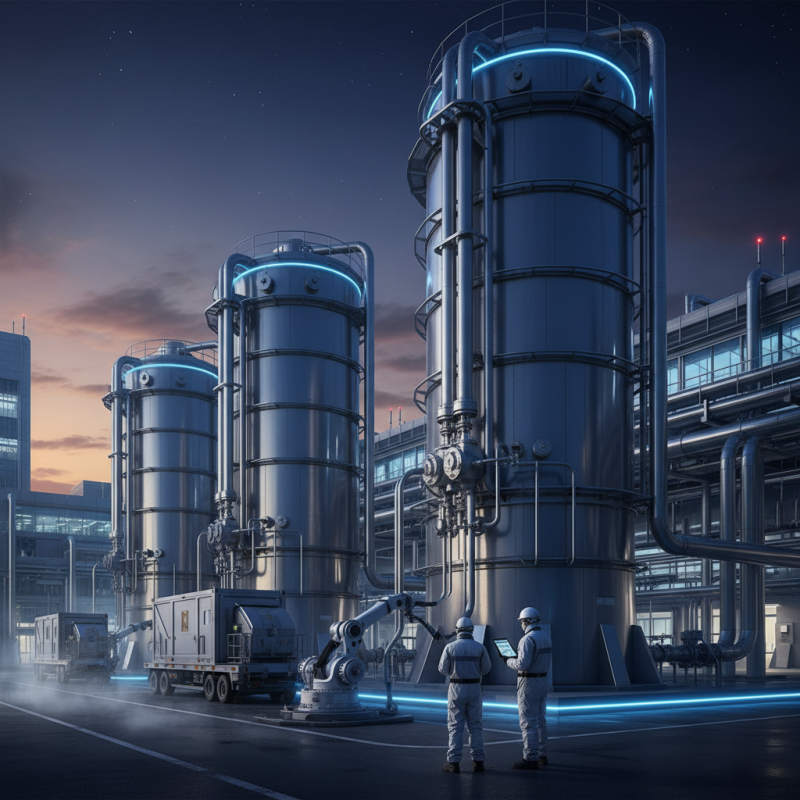
Importance of Cryogenic Storage Tanks in Industrial Applications
Cryogenic storage tanks play a crucial role in various industrial applications.
They maintain low temperatures for gases like nitrogen and oxygen.
These tanks preserve the integrity of materials that require extreme cold for processing.
Uninterrupted supply ensures operational efficiency
in sectors such as healthcare and aerospace.
The effectiveness of these tanks stems from advanced insulation technologies. They minimize energy loss,
thus reducing operational costs. However, the initial investment for such systems can be significant.
Organizations must weigh the long-term benefits against upfront expenses. This approach could lead to
improved safety and reduced waste.
Not all cryogenic systems are flawless. Some regions may face challenges in
infrastructure adequacy and compliance.
Regular inspections are crucial, yet they can be costly and time-consuming. A balance between
safety measures and budget constraints
is essential for sustainable operations. Overall, the advantages of cryogenic storage tanks are evident,
but reflection on best practices is always necessary.
Types of Cryogenic Liquids Stored in Tanks
Cryogenic storage tanks play a pivotal role in various industries. They are designed to hold substances at extremely low temperatures. This capability allows for the safe preservation of several cryogenic liquids. Common examples include liquid nitrogen, liquid oxygen, and liquid helium. Each of these liquids serves a unique purpose in different sectors.
Liquid nitrogen, for instance, is widely used in food preservation and medical applications. It helps keep food fresh for long periods. In the medical field, it is utilized for cryopreservation of cells. Liquid oxygen has significant relevance in the aerospace industry. It acts as an oxidizing agent for rocket fuels. Meanwhile, liquid helium finds its place in cooling superconducting magnets. Its low boiling point makes it ideal for maintaining lower temperatures for advanced technologies.
In the storage of these liquids, safety is paramount. Proper insulation and pressure regulation are necessary. However, accidents do occur. Lack of maintenance or improper handling can lead to spills. This creates environmental and safety concerns that industries must address. Continuous monitoring of storage conditions is essential for mitigating risks. The complexity of storing cryogenic liquids shows both innovation and areas needing improvement.
Technological Advancements in Cryogenic Storage Solutions
Cryogenic storage solutions have evolved significantly in recent years. These advancements play a vital role in various industries. Efficient cooling systems are now more common. They can maintain ultra-low temperatures, crucial for preserving sensitive materials. Innovative insulation techniques reduce energy loss. Tanks must be both robust and reliable to handle extreme conditions.
Recent developments in automation enhance safety. Sensors monitor temperatures and pressure levels continuously. This real-time data helps prevent failures. Regular maintenance remains essential. Operators need to act promptly if anomalies arise. Training staff to handle emergencies is often overlooked, which can lead to risks.
New materials are being explored for construction. These promise improved durability. However, some prototypes face challenges in scale-up. Not all designs are energy-efficient. The industry must address persistent issues while embracing the latest technologies. Continuous reflection on these aspects is necessary for progress.
Why Cryogenic Storage Tanks are Essential for Modern Industry? - Technological Advancements in Cryogenic Storage Solutions
| Dimension |
Value |
Significance |
| Storage Capacity |
100,000 liters |
Supports large-scale industrial processes |
| Operating Temperature |
-196°C |
Essential for the preservation of liquefied gases |
| Material Used |
Stainless Steel |
Durability and resistance to cryogenic temperatures |
| Insulation Type |
Vacuum Insulation |
Minimizes heat transfer and allows for efficient storage |
| Safety Features |
Pressure Relief Valves |
Ensures safe operational pressure levels |
Safety Measures and Regulations for Cryogenic Storage
Cryogenic storage tanks play a crucial role in modern industry. These tanks are designed to hold gases and liquids at extremely low temperatures. Safety is of utmost importance when dealing with cryogenic materials. The risks include leaks, spills, and explosions. Therefore, strict safety measures are required.
Regular inspections are essential. Tanks should be checked for structural integrity and leaks. Proper maintenance protocols must be in place to ensure safety standards. Operators should be trained in handling these materials. They need to know emergency procedures in case of an incident. Personal protective equipment is vital, too. It helps to prevent injuries from exposure.
Regulatory compliance is critical. Many industries must adhere to specific guidelines. These regulations ensure that all operations are conducted safely. Facilities are often required to maintain detailed records. This documentation can help trace any safety issues. It creates a culture of accountability. Yet, companies sometimes overlook these regulations. This oversight can lead to serious consequences. Continuous learning and improvements are needed.
Future Trends in Cryogenic Storage Tank Development
Cryogenic storage tanks play a vital role in energy storage, especially in industries relying on gases. The global cryogenic storage market is projected to grow significantly, expected to reach $20 billion by 2027. This growth indicates a rising demand due to the increased use of liquefied natural gas (LNG) and other cryogenic liquids.
Future trends focus on enhancing efficiency. Advanced insulation techniques aim to reduce heat transfer. These improvements can lower costs and increase safety. As technology evolves, the materials used for tank construction will likely advance, aiming for lightweight yet durable options. A report from the International Cryogenics Society highlights that costs could drop by up to 30% with these innovations.
Tips: Regular maintenance is essential. Inspect pressure seals and insulation periodically. Additionally, operators should stay updated on safety regulations. Training staff on technology advancements is crucial. The industry must avoid complacency with existing systems.
As industries shift towards sustainable practices, cryogenic storage will expand in renewable energy applications. Innovative design in this area can make a significant impact. Continuous research and development are vital. However, challenges remain in scaling these solutions globally. The need for collaboration among industries will only grow.