Why Choose Regenerative Oxidizer for Sustainable Solutions?
In an era where environmental concerns dominate, the quest for sustainable industrial solutions is more critical than ever. The Regenerative Oxidizer emerges as a viable choice. This innovative technology not only enhances efficiency but also minimizes harmful emissions. Many industries grapple with the challenge of meeting stringent regulations while maintaining operational efficiency. The Regenerative Oxidizer offers a pathway to achieve both.
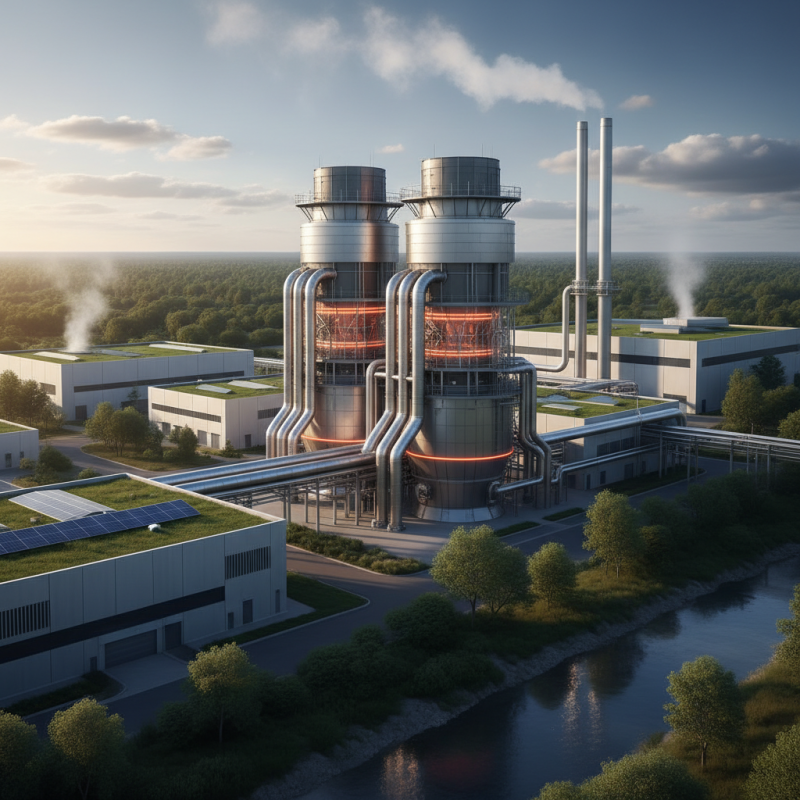
With its dual chamber design, the Regenerative Oxidizer utilizes heat recovery to optimize energy use. Unlike traditional systems, it regenerates energy from exhaust gases, significantly reducing energy consumption. This process not only cuts costs but also lessens the environmental impact. However, the transition to this technology demands careful consideration. Companies must evaluate their specific needs and potential challenges.
Moreover, while the benefits are significant, implementation can be complex. Understandably, some may feel hesitant about adopting new technologies. Proper training and expertise are essential for effective use. Overall, the Regenerative Oxidizer stands out as a pivotal development in sustainable industrial practices. Its potential to reshape industries while adhering to eco-friendly standards is undeniable.
Benefits of Using Regenerative Oxidizers in Environmental Management
Regenerative oxidizers play a crucial role in reducing emissions and promoting sustainable practices. These systems capture volatile organic compounds (VOCs) and harmful pollutants efficiently. Their design allows for the reuse of heat generated during the oxidation process, making them energy-efficient.
The operational efficiency of regenerative oxidizers is notable. They can handle large volumes of air while maintaining low energy consumption. The modular approach in their design allows for easy scaling. It’s essential to acknowledge, however, that the initial investment can be significant, and ongoing maintenance is crucial for optimal performance. These potential drawbacks warrant careful consideration.
Investing in regenerative oxidizers can yield substantial long-term benefits. Companies can improve compliance with environmental regulations. There’s a potential for significant cost savings through energy recovery. With increasing pressure for sustainable practices, adopting such technologies may also enhance corporate reputation.
Operational Efficiency of Regenerative Oxidizers Compared to Traditional Methods
Regenerative oxidizers offer remarkable operational efficiency over traditional methods. They harness heat generated during the oxidation process, recycling it to lower energy consumption. This not only decreases operational costs but also minimizes the carbon footprint. For industries focused on sustainability, these benefits are crucial.
In contrast, traditional oxidizers expel heat, requiring additional energy sources to maintain operations. This inefficiency can lead to higher emissions and costs. Many facilities still rely on outdated systems due to the initial investment of newer technologies. Yet, the long-term savings of regenerative oxidizers often justify the upfront costs.
Real-world applications show significant performance improvements. Some users report energy savings of up to 90%. However, these systems aren't without their challenges. Regular maintenance is required to ensure optimal performance. Also, understanding the technology may require a learning curve for operators. Addressing these concerns is crucial for maximizing efficiency and achieving sustainable goals.
Why Choose Regenerative Oxidizer for Sustainable Solutions?
| Aspect | Regenerative Oxidizer | Traditional Methods |
| Thermal Efficiency | Up to 95% | 70-80% |
| Emissions Reduction | High (Over 99% VOC reduction) | Moderate (30-50% VOC reduction) |
| Operational Costs | Lower long-term costs | Higher due to fuel consumption |
| Maintenance Requirements | Less frequent | More frequent |
| Lifecycle Impact | Sustainable with a lower carbon footprint | Higher environmental impact |
Impact of Regenerative Oxidizers on Air Quality and Emissions Reduction
Regenerative oxidizers are crucial for improving air quality and reducing emissions. Studies show that these systems can eliminate over 99% of volatile organic compounds (VOCs) from industrial processes. VOCs contribute to air pollution and health issues. By using regenerative oxidizers, industries can achieve significant reductions in these harmful emissions, which benefits both the environment and public health.
Data from the U.S. Environmental Protection Agency indicates that implementing regenerative technologies can reduce greenhouse gas emissions by up to 50%. This is a substantial impact considering that industrial processes are responsible for nearly one-third of total emissions. The technology works by capturing heat from exhaust gases, making it energy-efficient and sustainable. However, the initial cost of installation remains a barrier for some companies.
Not all regenerative oxidizers perform equally. Their effectiveness can vary widely based on design and operational parameters. As industries transition to greener technologies, it's critical to evaluate the suitability of these systems for specific applications. Regular maintenance and upgrades are required for optimal performance, highlighting the need for ongoing research and development in the field.
Economic Advantages of Adopting Regenerative Oxidizer Technology
The economic advantages of adopting regenerative oxidizer technology are significant. These systems efficiently treat volatile organic compounds (VOCs) and hazardous air pollutants. Businesses can reduce waste and save on disposal costs. The energy recovery feature of regenerative oxidizers lowers operational costs, making them an attractive option.
Investing in such technologies also supports sustainability goals. Companies face pressure to meet environmental regulations. By using regenerative oxidizers, they demonstrate commitment to clean practices. This can enhance their reputation and attract eco-conscious customers. However, initial installation costs can be high. Businesses must weigh these costs against long-term savings.
Moreover, the complexity of regenerative systems requires expertise. Maintenance and operational training are essential to maximize efficiency. Some companies may struggle to implement these systems effectively. Proper research and planning are crucial for success. Businesses should reflect on their specific needs and capabilities before making a decision.
Case Studies: Successful Implementation of Regenerative Oxidizers in Industries
In recent years, several industries have successfully implemented regenerative oxidizers, showcasing their effectiveness in managing emissions. For instance, a prominent case in the automotive sector highlighted how a manufacturing plant reduced volatile organic compounds (VOCs) by over 90% using these systems. The oxidizers captured heat, enabling energy savings in the process. However, this technology requires careful maintenance to maintain efficiency.
In another case, an industrial bakery adopted regenerative oxidizers to tackle odors. By replacing their traditional systems, they not only improved air quality but also achieved considerable cost reductions in energy usage. It is crucial to analyze the system’s design and adapt it to the specific processes in place. Despite these successes, some companies experience hiccups during implementation. Challenges like initial costs and integration with existing systems can arise.
**Tips:** Regular evaluations of the regenerative oxidizer's performance can prevent inefficiencies. It's also wise to engage with experts during the planning phase. Learning from others’ experiences can provide insights that lead to better decision-making. Flexibility in adapting the technology can lead to more sustainable outcomes.
Impact of Regenerative Oxidizers on Emission Reductions and Cost Savings