10 Best Industrial Gas Solutions for Modern Manufacturing Needs?

In the dynamic landscape of modern manufacturing, the role of industrial gas is pivotal. As industries evolve, the demand for efficient and sustainable gas solutions grows. Industrial gas supports a range of applications, from welding to chemical processing. With advancements in technology, manufacturers seek the best options to enhance productivity and reduce costs.

Here, we explore ten innovative industrial gas solutions tailored for today’s manufacturing needs. Each solution addresses unique challenges while promoting operational efficiency. Companies must consider factors such as purity, delivery systems, and cost-effectiveness. The right industrial gas can boost production rates and improve product quality.

However, choosing the best solution is not straightforward. It requires careful evaluation and reflection on industry needs. Many manufacturers overlook the importance of regular assessments. As technology progresses, so do the gas solutions available. Embracing change can lead to significant advantages in competitiveness. Understanding these solutions is essential for navigating the future of manufacturing.
10 Best Industrial Gas Solutions for Modern Manufacturing Needs?

Understanding Industrial Gas: Definition and Importance in Manufacturing

10 Best Industrial Gas Solutions for Modern Manufacturing Needs?

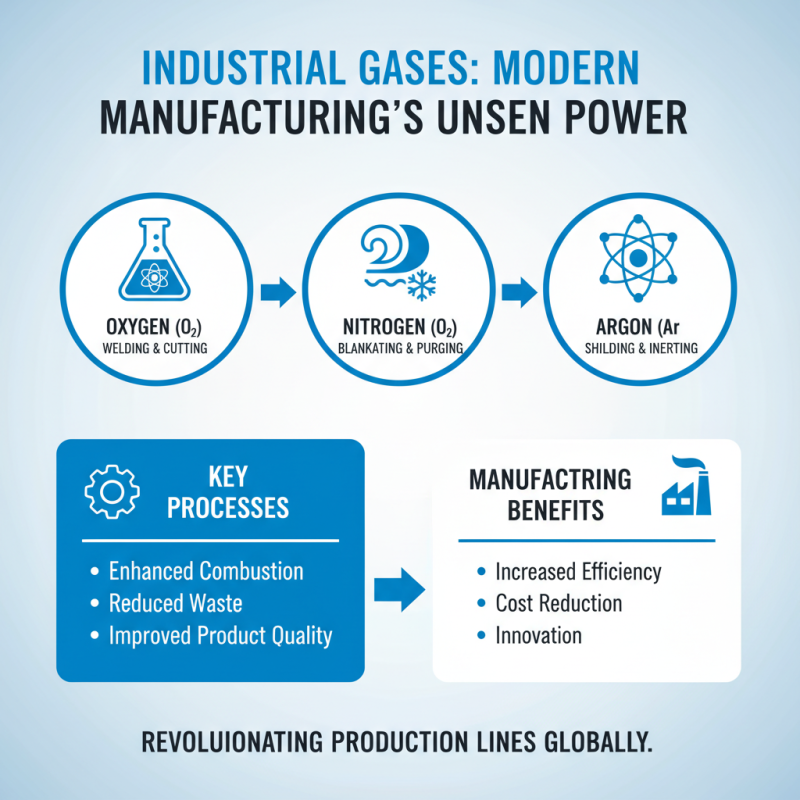
Industrial gas plays a pivotal role in modern manufacturing. It includes gases like oxygen, nitrogen, and argon. These gases are crucial for processes such as welding, cutting, and chemical reactions. Many manufacturers depend on these gases to improve efficiency and product quality. The right gas can enhance combustion and reduce waste. It’s fascinating how a simple gas can revolutionize an entire production line.

Understanding the application of industrial gases is essential. Each type serves a unique function. For instance, oxygen is critical for steel production. Nitrogen helps in preserving products. However, not all companies utilize these gases efficiently. Some may overlook safety protocols or the necessity of proper storage. This can lead to risks and financial loss. It’s imperative to continuously evaluate gas usage in manufacturing. Monitoring improvements in technology can lead to better solutions. Overall, the integration of industrial gases is complex but vital for success in manufacturing.

Key Types of Industrial Gases Used in Modern Manufacturing Processes

In modern manufacturing, industrial gases play a vital role. They are essential for various applications, including welding, cutting, and chemical processing. Oxygen and nitrogen are among the primary gases used. They enhance combustion efficiency and support many production processes.

Carbon dioxide is crucial too. It’s widely used in the food and beverage industry for carbonation and preservation. This gas is not as easy to handle, revealing the challenges manufacturers face. Handling gases like hydrogen can be tricky. They are highly flammable and require special safety measures.

Argon, another noble gas, is often used in welding. It creates an inert atmosphere, preventing oxidation. However, argon’s availability can be an issue in some regions. Manufacturers continuously seek solutions to meet rising demands efficiently. They often grapple with supply chain challenges and fluctuating prices of these gases.

10 Best Industrial Gas Solutions for Modern Manufacturing Needs

Gas Type Key Applications Advantages Safety Considerations
Oxygen Metal fabrication, welding Enhances combustion efficiency Supports combustion; requires careful handling
Argon Welding, metal inert gas (MIG) processes Inert atmosphere; prevents oxidation Asphyxiation hazard in confined spaces
Carbon Dioxide Welding, carbonation of beverages Cost-effective; versatile Can cause headaches at high concentrations
Nitrogen Preservation, packaging, blanketing Non-reactive; prevents contamination Asphyxiation risk in enclosed areas
Hydrogen Fuel cells, refining High energy content; clean burning Highly flammable; explosion risk
Acetylene Welding, cutting High flame temperature Flammable; requires specific storage
Helium Welding, leak detection Low density; inert Asphyxiation risk in confined spaces
Ammonia Refrigeration, fertilizers Effective refrigerant; enhances crop yield Toxic at high levels; requires safety measures
Sulfur Dioxide Preservative, bleaching agent Antimicrobial properties Toxic; can cause respiratory issues

Top 10 Industrial Gas Suppliers and Their Unique Offerings

Industrial gases play a critical role in modern manufacturing. Many suppliers offer specialized gases tailored to various industries. They provide oxygen, nitrogen, and argon, among others. Each gas has unique functions that enhance production processes. For instance, oxygen can boost combustion, leading to higher efficiency in metal fabrication. Suppliers often focus on high purity and consistency to meet strict manufacturing standards.

In addition to standard gases, some suppliers present innovative solutions. Custom gas mixtures can address specific needs in chemical processes. They might also provide on-site gas generation systems. Such systems help reduce logistics costs and improve supply reliability. However, not all suppliers maintain the same level of customer service. Companies might struggle with inconsistent delivery schedules or unclear communication.

It's essential to note potential gaps in offerings. Some suppliers may not provide adequate technical support for specific applications. Manufacturers should evaluate their needs thoroughly. A deep understanding of what each supplier brings to the table is vital. Ultimately, the right industrial gas solution depends on compatibility with production demands and operational workflows.

Innovative Applications of Industrial Gases in Modern Production Techniques

10 Best Industrial Gas Solutions for Modern Manufacturing Needs?

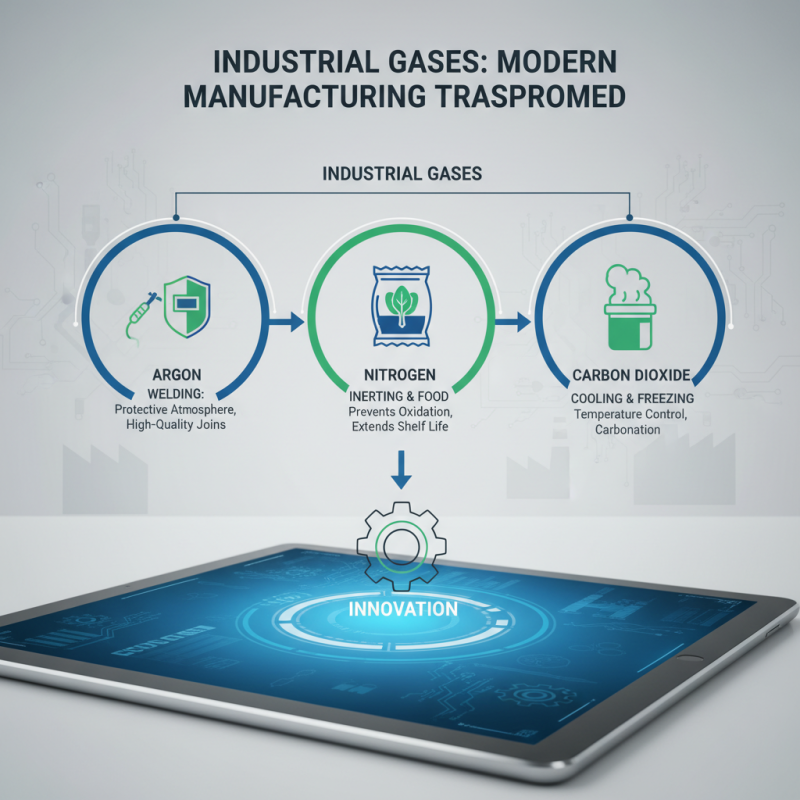
Innovative applications of industrial gases are transforming modern manufacturing. These gases include argon, nitrogen, and carbon dioxide. They play crucial roles in processes such as welding, inerting, and food preservation. For instance, argon provides a protective atmosphere during welding, ensuring high-quality joins without contamination.

In addition, the use of nitrogen for blanketing prevents oxidation in various chemical processes. Yet, challenges arise, such as the need for precise gas mixtures. A wrong balance can lead to inefficiencies and defects. Furthermore, safety remains a concern; handling these gases improperly can result in hazardous situations.

The integration of gases into production techniques requires ongoing assessment. Manufacturers often need to adapt their strategies and methods. Continuous training and clear safety protocols become essential. By refining these processes, companies can better meet the demands of their clients while also enhancing productivity. The quest for improvement is never-ending, and reflection on current practices is key.

Safety Guidelines for Handling and Storing Industrial Gases in Industry

Handling and storing industrial gases require strict adherence to safety guidelines. According to the National Fire Protection Association (NFPA), over 1,600 incidents involving gases occur annually in manufacturing settings. These incidents often arise from improper storage and handling practices, emphasizing the need for well-defined protocols.

Utilizing proper storage equipment is crucial. Cylinders should always be secured and stored upright. They should be placed in well-ventilated areas away from flammable materials. A study by the Compressed Gas Association states that inadequate ventilation contributes to a significant percentage of accidents. Regular inspections of storage facilities are necessary. This includes checking for leaks or damages.

Training personnel is another vital aspect. Many workers may underestimate the risks involved with industrial gases. A lack of training can lead to serious accidents. The Occupational Safety and Health Administration (OSHA) highlights that comprehensive hazard communication can reduce workplace incidents by up to 40%. Creating a culture of safety is essential. Close monitoring and regular safety drills can help reinforce this cultural shift.

10 Best Industrial Gas Solutions for Modern Manufacturing Needs

This bar chart illustrates the usage of various industrial gases in modern manufacturing. The data reflects gas utilization percentages across different solutions. Each solution plays a crucial role in enhancing safety and efficiency within industrial settings.