2026 Best Cryogenic Tank Innovations and Technologies for Industry?
The cryogenic tank industry is evolving rapidly. Innovations are emerging to improve energy efficiency and safety. These advancements are crucial for storing liquefied gases effectively.
In 2026, businesses will face new challenges. The demand for liquefied natural gas (LNG) and hydrogen is rising. Therefore, better storage solutions are necessary. Companies must invest in advanced cryogenic tank technologies. They need to ensure reliability and cost-effectiveness.
Many innovations are on the horizon. However, not all solutions will be perfect. Some designs may face issues with insulation or pressure regulation. It is essential to evaluate these technologies critically. The future of cryogenic tanks is promising, but it requires careful consideration.
2026 Overview of Cryogenic Tank Technologies and Innovations
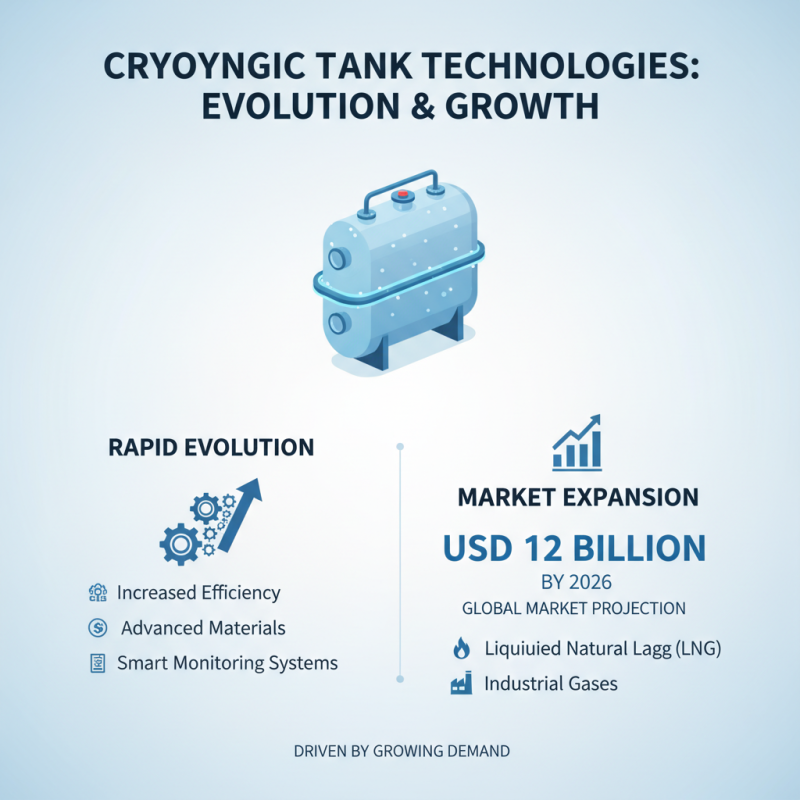
Cryogenic tank technologies are evolving rapidly. As industries seek more efficient ways to store gases, innovation is vital. The global cryogenic tank market is projected to reach $12 billion by 2026, according to industry reports. This growth is driven by the increasing demand for liquefied natural gas (LNG) and industrial gases.
Recent advancements include improved insulation techniques. These technologies help minimize energy loss. For instance, vacuum insulation has proven effective in reducing boil-off rates. Another significant innovation is the development of cryogenic materials. New alloys and composites withstand extreme temperatures and pressures. These materials enhance tank durability and reliability.
Challenges remain. Many tanks still encounter issues with thermal performance over time. Some designs yield efficiency but complicate maintenance. The industry needs to address these shortcomings to ensure safety and sustainability. Further research is necessary. Innovations should not only focus on performance but also on cost-effectiveness. As the industry progresses, finding the right balance will be crucial.
Key Materials Enhancements in Cryogenic Tank Design for Performance
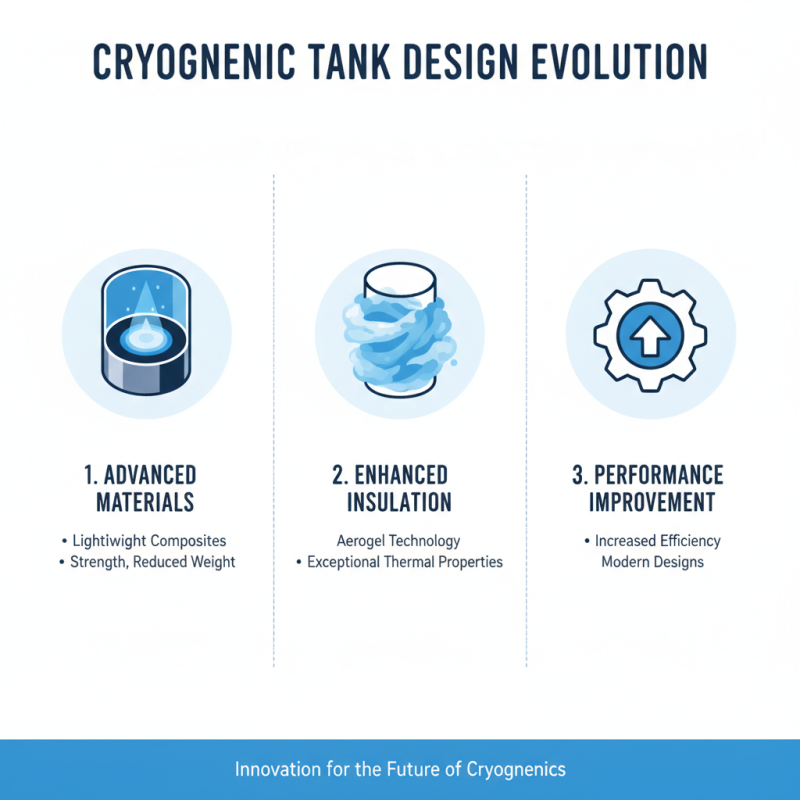
In recent years, cryogenic tank design has evolved significantly. Engineers are focusing on advanced materials to enhance performance. Lightweight composites are gaining traction. These materials provide strength without adding extra weight. Additionally, insulation techniques are continuously being refined. Newer designs utilize aerogel, which has exceptional thermal properties.
There are challenges to address, though. Some materials may not withstand extreme temperatures. It's crucial to strike a balance between durability and insulation effectiveness. Innovations like self-healing polymers offer hope. They could reduce long-term maintenance needs. Yet, the costs of these materials can be prohibitive.
Safety remains a priority in design considerations. Regularly assessing material integrity is vital. Failures can lead to serious consequences in cryogenic systems. Collaborating with research institutions could drive advancements in this field. Imagining future possibilities, we see a blend of technology and nature, offering exciting, yet untested potential.
Advancements in Insulation Techniques for Cryogenic Storage Efficiency
Advancements in cryogenic storage have focused heavily on insulation techniques. Effective insulation is crucial for minimizing energy losses in cryogenic tanks. New materials are being explored, including advanced foams and multi-layer insulation systems. These materials offer significant improvements in thermal resistance. They help maintain the extremely low temperatures required for cryogenic liquids.
One notable approach is using vacuum-insulated tanks. These tanks reduce heat transfer through conduction and convection. However, they can be complex to manufacture and may not fit all applications. Engineers must carefully evaluate their choices to ensure optimal performance.
Tips: Regular maintenance of insulation can prevent unforeseen losses. Keep an eye on any signs of wear. Evaluate your storage needs frequently. Insulation needs can vary based on changes in usage patterns. Always stay ahead of potential issues for improved efficiency.
Impact of Automation and IoT on Cryogenic Tank Operations in Industry
The integration of automation and IoT is transforming cryogenic tank operations. These technologies enhance monitoring and control, boosting efficiency. Real-time data collection helps operators maintain optimal conditions. Sensors provide alerts for leaks or temperature changes. This minimizes risks significantly.
Automation can reduce human error, but it requires rigorous testing. Systems must be robust and reliable. Over-dependence on technology can lead to complacency in monitoring. Operators should remain vigilant and proactive. Regular training and updates are essential for personnel.
**Tip:** Implement a dual-check system. Have a manual oversight alongside automated processes. This can catch errors that technology might miss. Balancing automation with human expertise can prevent potential failures.
Lastly, ensure regular reviews of IoT data. Analyzing patterns can reveal inefficiencies or potential issues. Embrace innovation, but remain cautious of its limitations.
2026 Best Cryogenic Tank Innovations and Technologies for Industry
| Technology |
Impact on Operations |
Key Benefits |
Challenges |
| Advanced Insulation Materials |
Improved thermal efficiency |
Reduced energy costs |
Higher manufacturing costs |
| IoT Integration |
Real-time monitoring and alerts |
Increased safety and reliability |
Cybersecurity concerns |
| Automation in Operations |
Reduced human error in handling |
Enhanced operational efficiency |
Initial setup costs |
| Smart Sensors |
Predictive maintenance capabilities |
Prolonged equipment life |
Complex installation requirements |
| Digital Twins |
Enhanced data analysis |
Optimized operations |
Data overload management |
Future Trends in the Market for Cryogenic Tanks and Their Applications
The cryogenic tank market is evolving rapidly. By 2026, these tanks will be crucial in various industries, including healthcare and energy. A recent report from MarketsandMarkets indicates that the cryogenic tank market could reach $12 billion by 2026, growing at a compound annual growth rate of 5.6%. With rising energy demands, the adoption of cryogenic technology is critical.
Innovative materials are set to enhance efficiency. Advanced insulation techniques improve thermal retention, which is vital for transporting liquefied gases. Some manufacturers are experimenting with composite materials. This change could reduce weight while maintaining structural integrity. However, challenges exist. High production costs and technical limitations can hinder market growth. The need for quality and safety standards isn't diminishing.
Future trends indicate an increase in liquefied natural gas (LNG) applications. The global push for cleaner energy sources fuels this shift. Companies are exploring ways to integrate cryogenic technologies into renewable sectors like hydrogen production. While expectations are high, the market faces potential hurdles. Regulatory frameworks remain inconsistent worldwide. This creates uncertainty in investment and innovation.