Top Benefits of Using Nitrogen Tanks for Various Applications?
In today's diverse industrial landscape, nitrogen tanks play a crucial role across various applications. A report by MarketsandMarkets estimates the global nitrogen market to reach $13.67 billion by 2025, highlighting the increasing demand for nitrogen tanks. These tanks provide a cost-effective and efficient way to store and transport nitrogen for industries such as healthcare, food preservation, and manufacturing.
Nitrogen tanks are essential in applications requiring inert gas to prevent oxidation and spoilage. For example, the food industry heavily relies on nitrogen tanks for packaging. According to the International Dairy, Deli, and Bakery Association, businesses that utilize nitrogen in packaging can extend product shelf life by up to 50%. However, there are challenges to consider, such as the cost of tank maintenance and the need for proper handling procedures.
Despite these challenges, the benefits of using nitrogen tanks are substantial. They not only ensure product quality but also enhance process efficiency in manufacturing and healthcare. Companies must navigate the fine line between automation and manual monitoring to optimize performance. Overall, nitrogen tanks stand out as a vital resource within many sectors, reflecting their growing importance in a rapidly changing market.
Understanding Nitrogen Tanks and Their Functionality
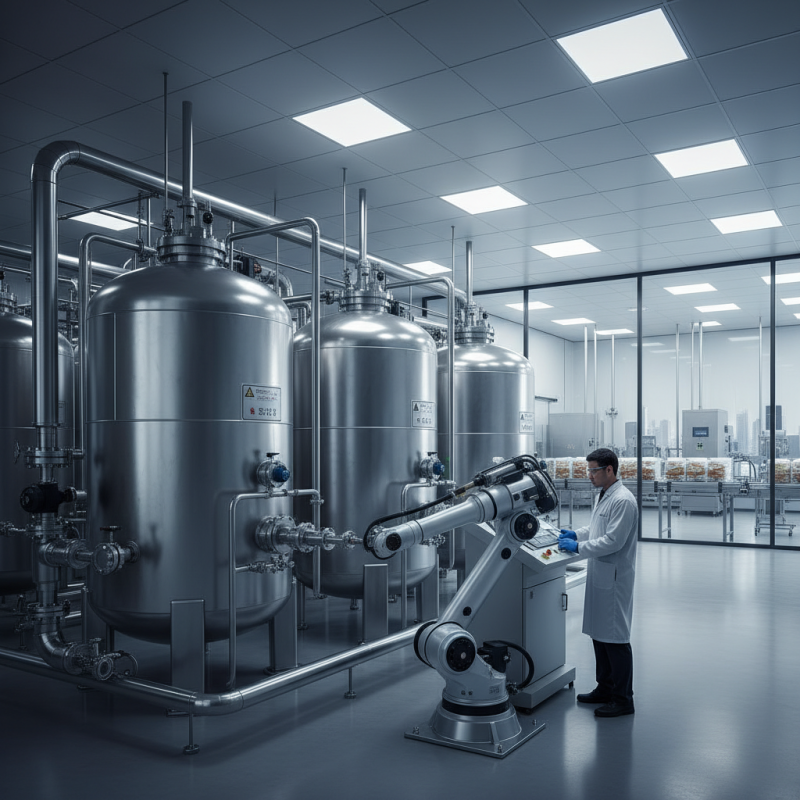
Nitrogen tanks are essential in various industries. These tanks store liquid nitrogen, which is an inert gas. They maintain products at extremely low temperatures, preserving freshness and quality. In food processing, nitrogen helps to extend shelf life. It creates a protective atmosphere for sensitive items. This prevents oxidation and spoilage, allowing longer storage.
When using nitrogen tanks, safety is crucial. Always check for leaks before use. Ensure the tank is stored upright and in a cool area. Avoid direct sunlight. Regular maintenance is also important. Inspect valves and connections. A small error can lead to larger issues.
Tips for handling nitrogen tanks include wearing protective gear. Use gloves and goggles to prevent exposure. Keep the area well-ventilated. Remember that nitrogen gas can displace oxygen. This can create hazardous conditions in enclosed spaces. Training staff on proper usage is essential too. A calm approach reduces risks. Overall, managing nitrogen tanks requires attention to detail and responsibility.
Key Industries That Benefit from Nitrogen Tanks
Nitrogen tanks play a crucial role in various industries. Their ability to provide a pure inert atmosphere is essential. In the food and beverage sector, nitrogen protects flavors and extends shelf life. Packaging with nitrogen prevents oxidation, maintaining freshness. This method is widely used for snacks and beverages.
The pharmaceutical industry also benefits significantly. Nitrogen is essential for maintaining the integrity of sensitive materials. It prevents contamination during the production process. Many companies use nitrogen to create a controlled environment for sensitive drugs. This application safeguards efficacy and safety.
Even in the electronics industry, nitrogen tanks have their place. They help manufacture components without introducing moisture. Moisture can damage sensitive electronics. However, while these applications seem perfect, challenges still exist. Some facilities struggle with nitrogen purity levels. It’s vital to constantly monitor and adjust for optimal results. Regular checks and maintenance can ensure reliability.
Top Benefits of Using Nitrogen Tanks for Various Applications
This chart illustrates the top benefits of using nitrogen tanks across various key industries. The percentage reflects how significant the benefits are perceived in each sector, including food preservation, pharmaceuticals, electronics manufacturing, metal fabrication, and aerospace.
Advantages of Using Nitrogen for Preservation and Storage
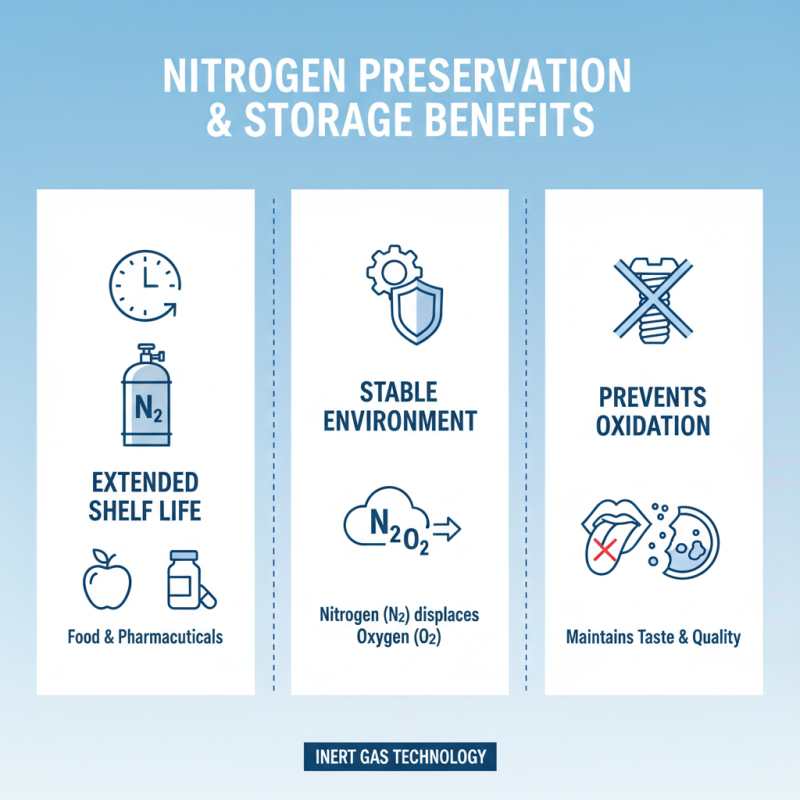
Using nitrogen tanks for preservation and storage offers numerous advantages. Nitrogen, an inert gas, creates a stable environment. This helps in extending the shelf life of various products, especially food and pharmaceuticals. By displacing oxygen, nitrogen prevents oxidation. Oxidation can lead to spoilage, affecting taste and quality.
Tips: Ensure your nitrogen tank is properly sealed. Small leaks can reduce effectiveness. Monitor the nitrogen levels regularly. This keeps the environment stable and safe for your items.
In addition, nitrogen is cost-effective. It’s a quick solution for preserving delicate items without compromising quality. However, not all applications benefit from nitrogen. Understanding your specific needs can save time and money. Some materials may react differently to gas exposure, so consider testing.
Tips: When in doubt, consult an expert. A little guidance can make a big difference. Be aware of your storage conditions. Too much humidity can negate nitrogen’s benefits, leading to unintended issues. Make adjustments as needed to ensure optimal preservation.
Cost Efficiency and Safety Aspects of Nitrogen Tanks
Nitrogen tanks are gaining popularity in various industries. The cost efficiency they offer is notable. According to the Compressed Gas Association, the use of nitrogen can reduce operational costs by up to 30%. This is a key factor for organizations striving for efficiency. Nitrogen is often cheaper than other gases and reduces the need for maintenance.
Safety is another major concern. Nitrogen is non-flammable and inert, minimizing risks. Industries dealing with volatile materials benefit significantly. A report from the National Fire Protection Association states that inert gases reduce fire hazards by up to 70%. This creates safer environments for employees.
However, it's essential to consider the limitations of nitrogen tanks. They require proper handling and storage. Mishandling can lead to pressure loss, affecting operations. Regular inspections are necessary to ensure efficiency. While nitrogen tanks provide numerous benefits, ongoing evaluation is critical for maintaining safety and cost-effectiveness.
Comparative Analysis: Nitrogen Tanks Versus Other Gas Tanks
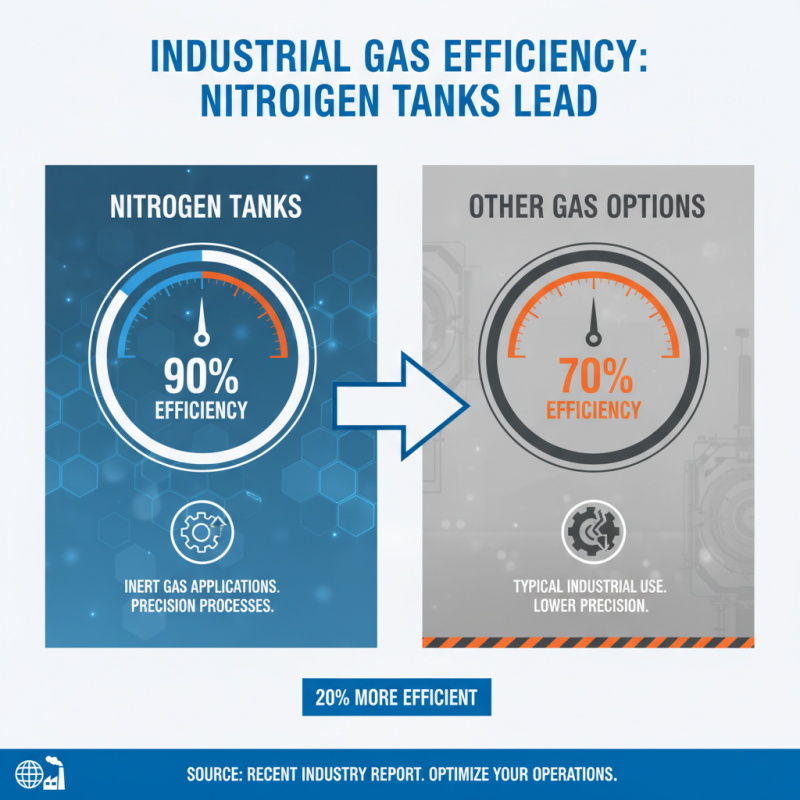
When evaluating gas tanks, nitrogen tanks often stand out for several reasons. A recent industry report indicates that nitrogen tanks provide an efficiency of about 90% in inert gas applications. This contrasts sharply with other gas options, which typically only reach 70% efficiency. Such differences can be vital in sophisticated industrial processes where precision matters.
Moreover, nitrogen tanks are lightweight and portable, making them easier to handle. In sectors like food packaging and pharmaceuticals, controlling the environment is crucial. Nitrogen effectively maintains freshness and extends shelf life. Traditional gas tanks often utilize heavier materials that complicate transport and usage, leading to logistical challenges.
However, using nitrogen tanks is not without flaws. They require proper maintenance to avoid leaks. Failure to do so can lead to unnecessary waste and safety hazards. Furthermore, users must adhere to specific protocols to maximize their efficiency. In some cases, businesses may find the initial setup costs higher compared to other gas tanks. Understanding these factors is essential for informed decision-making. Users should weigh the advantages against the potential drawbacks.