Top 10 Benefits of HPMC in Modern Construction?

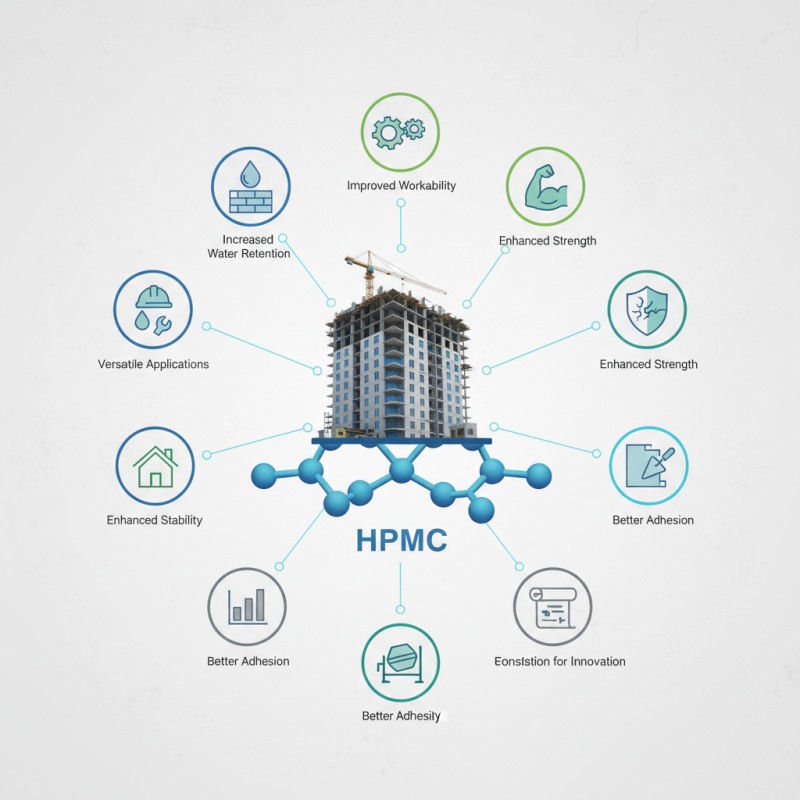
HPMC, or Hydroxypropyl Methylcellulose, is revolutionizing modern construction. This versatile polymer enhances the performance of building materials. Its unique properties improve workability and stability, making it invaluable for contractors.

The benefits of HPMC are numerous. It increases water retention in mixes, ensuring better hydration of cement. This leads to stronger, more durable structures. Additionally, HPMC enhances the adhesion of mortars and plasters, reducing the risk of cracking. However, not all users fully understand its potential.

It's crucial to acknowledge the challenges. Some may overlook the importance of correct dosage. Too little HPMC can compromise performance, while too much may lead to issues. Understanding these nuances is key to maximizing HPMC's benefits in construction. Embracing these details can set a foundation for innovation in building practices.
Top 10 Benefits of HPMC in Modern Construction?

Benefits of HPMC in Enhancing Workability in Construction Mixtures

HPMC, or hydroxypropyl methylcellulose, plays a vital role in modern construction. One key benefit is its ability to enhance the workability of construction mixtures. This means that concrete and mortar become easier to mix, handle, and apply. The smooth consistency improves the flow of materials. As a result, workers can achieve better leveling and finishing with less effort.

Adding HPMC allows for more time to work with mixtures before they set. This can be crucial on large projects. Workers can adjust and correct as needed without rushing. However, not all mixtures may benefit equally. It’s essential to consider each project’s unique demands for optimal results.

Tips: Always test small batches first. Observe how the mixture behaves with HPMC added. Monitor the time it takes to set in different weather conditions. Adjust the quantity based on your observations. Overuse may lead to an overly slippery mix, complicating application. Remember, achieving the right consistency takes practice and patience.

Role of HPMC in Improving Adhesion and Bond Strength of Mortars

Hydroxypropyl Methylcellulose (HPMC) plays a crucial role in construction. Its ability to enhance adhesion and bond strength in mortars is significant. This compound modifies the properties of cement-based materials, making them more effective. When added to mortar mixes, HPMC improves the workability and consistency of the mixture. This leads to better application and finishing.

Adhesion is vital for any construction project. HPMC enhances this property by creating a stronger bond between different materials. This improved bond strength reduces the risk of cracks and delaminations. It also supports the overall durability of structures. Mortars that contain HPMC can withstand various environmental conditions. Rain or heat, the bond remains intact.

However, it’s essential to note that relying solely on HPMC is not sufficient. Improper application or mixing can lead to poor performance. Careful attention to dosage and mixing methods is necessary. Builders must understand the balance between HPMC and other components. Achieving the right formulation ensures optimal results, which often requires trial and error. Attention to these details can significantly enhance the efficiency and longevity of construction projects.

Impact of HPMC on Water Retention in Cement-Based Materials

Hydroxypropyl Methylcellulose (HPMC) has gained significant attention in modern construction, especially for its role in enhancing water retention in cement-based materials. Industry reports highlight that HPMC can improve water retention by up to 50%, providing substantial benefits during the curing process. This retention allows cement mixtures to maintain the necessary moisture levels, promoting better hydration and ultimately leading to stronger end products.

However, it’s important to acknowledge potential challenges. In some cases, adding HPMC can increase viscosity, which might complicate mixing. This is particularly evident in high-volume applications where consistency is crucial. The right balance must be found. Properly adjusting the HPMC content is essential; too much can hinder workability.

**Tip:** Always conduct small-scale tests before applying HPMC in larger batches. Testing different percentages can reveal the ideal formulation for your specific project.

Moreover, the performance of HPMC varies significantly based on environmental conditions. Factors like temperature and humidity can impact its effectiveness. Construction teams should be aware of these variables when planning projects. Adapting to local conditions often determines the success of HPMC usage.

**Tip:** Monitor climatic conditions and adjust your mix accordingly. This proactive approach can mitigate potential issues and enhance overall performance.

Top 10 Benefits of HPMC in Modern Construction

Benefit Description Impact on Water Retention Additional Remarks
Enhanced Workability HPMC improves the flowability of mortar and grout. Increases water retention, allowing for better workability. Facilitates easier application and smoothing.
Water Retention Helps maintain moisture in cement mixtures for longer periods. Significant reduction in water loss during curing. Crucial for hydration of cement and strength development.
Improved Adhesion Enhances the bond between surfaces and materials. Retained water aids in better adhesion properties. Results in lower failure rates in bonding applications.
Thixotropic Properties Allows for better control of consistency during application. Helps retain water by adjusting viscosity based on shear. Beneficial for vertical applications to prevent slumping.
Reduced Shrinkage Minimizes cracks and shrinkage in cured products. Water retention mitigates shrinkage during drying. Enhances durability and life span of materials.
Good Stability Maintains properties over time and under varying conditions. Retains moisture effectively to ensure consistent performance. Long-term reliability in diverse environments.
Increased Flexibility Allows for movements in structures without damage. Water retention plays a role in maintaining consistency. Helps in seismic applications where flexibility is crucial.
Enhancement of Aesthetics Improves the finish and appearance of surfaces. Facilitates better control of water for a smoother finish. Aesthetic quality is highly valued in modern construction.
Environmental Benefits Supports sustainable building practices. Water-efficient applications contribute to lower usage. Aligns with green building standards.

HPMC's Contribution to Reduced Cracking in Modern Construction

HPMC, or Hydroxypropyl Methylcellulose, plays a crucial role in modern construction. It helps reduce cracking in various structures. Concrete is often prone to cracks due to temperature changes and drying shrinkage. HPMC addresses these challenges effectively.

When mixed with cement, HPMC enhances workability. It forms a gel-like consistency, allowing for easier application. This improved consistency leads to better adhesion between materials, reducing voids and ensuring a more solid bond. Material strength increases as well, minimizing the risk of cracks developing during the hardening process.

However, achieving the right balance of HPMC can be tricky. Using too little may not produce the desired effects. Conversely, excessive amounts can lead to issues like delayed setting times. Adjustments should consider environmental factors and specific project needs. Careful testing before large-scale use is essential to validate performance.

Economic Advantages of Using HPMC in Construction Projects

Using Hydroxypropyl Methylcellulose (HPMC) in construction brings various economic advantages. This versatile material enhances adhesive properties, improving performance. Its water-retention capabilities assist in maintaining moisture in cement mixtures, promoting effective curing. As a result, projects benefit from reduced failures and better durability.

Cost-effectiveness is a significant advantage. HPMC can replace more expensive additives, reducing overall project costs. Construction teams find it easier to work with, saving labor time. This efficiency leads to quicker project completion.

**Tips:** When selecting HPMC, consider the specific needs of your project. Test various formulations for the best results. Discuss with your team about potential impacts on long-term maintenance. Reflect on past experiences to choose wisely. The right choice can save money while enhancing quality.

Top 10 Benefits of HPMC in Modern Construction

Article Source: