Discover the Benefits of Aliphatic Polyurethane Paint in 2026
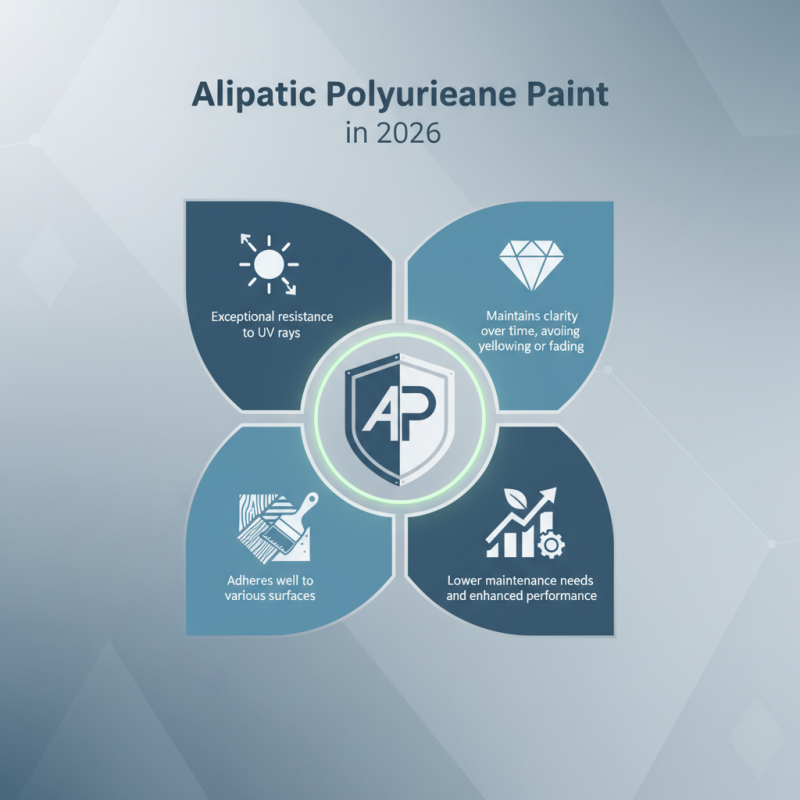
As we delve into the benefits of Aliphatic Polyurethane Paint in 2026, it's essential to highlight its unique features. This innovative paint type is known for its durability and aesthetic appeal. Unlike traditional paints, Aliphatic Polyurethane Paint offers exceptional resistance to UV rays, ensuring a longer-lasting finish.
In the constant pursuit of quality, this paint maintains clarity over time, avoiding yellowing or fading. It adheres well to various surfaces, making it a versatile choice for numerous applications. However, it’s important to acknowledge that while the benefits are significant, they also come at a higher cost. This may lead some to hesitate before making a decision.
Long-term benefits often outweigh short-term investments, though. Aliphatic Polyurethane Paint contributes to lower maintenance needs and enhanced performance. As professionals in the field, we must consider all aspects before recommending it. The future landscape of painting will likely see more advances. Embracing such innovations can result in better projects and satisfied clients.
Benefits of Aliphatic Polyurethane Paint for Various Applications
Aliphatic polyurethane paint offers significant advantages across various applications. The paint features enhanced durability, excellent weather resistance, and superior adhesion. According to a report by MarketsandMarkets, the global demand for polyurethane coatings is anticipated to reach around $35 billion by 2027. This growth underscores the importance of advanced coatings in industrial sectors.
The versatility of aliphatic polyurethane paint makes it suitable for diverse uses, from automotive to construction. Its ability to maintain gloss over time is impressive. In various studies, it has outperformed traditional paints in terms of longevity. For example, in exterior applications, it shows resistance to UV radiation and harsh environmental conditions. This leads to fewer repaints and lower long-term maintenance costs, yet the initial application can be more challenging due to its sensitivity to application conditions.
While the benefits are clear, some challenges remain. The application process requires skilled labor to achieve optimal results. Additionally, the cost of materials can be higher compared to other types. However, when considering the life cycle and performance, aliphatic polyurethane paint often justifies the investment. This complexity reflects the need for ongoing training and adaptation in the industry.
Comparison of Aliphatic Polyurethane and Other Paint Types
Aliphatic polyurethane (PU) paint stands out for its durability and aesthetic appeal. This paint type offers superior UV stability compared to its aromatic counterparts. According to a 2023 industry report, aliphatic PU maintains color integrity for over 10 years under direct sunlight, making it an excellent choice for outdoor applications.
When compared to epoxy paints, aliphatic PU is more flexible. This flexibility allows it to withstand temperature fluctuations without cracking. A study indicates that epoxy coatings can become brittle in extreme conditions, leading to premature failure. Additionally, aliphatic PU has better resistance to chemicals, making it ideal for environments exposed to solvents or acids.
However, application can be tricky. Aliphatic PU requires precise environmental conditions for optimal curing. High humidity can affect its performance, leading to inconsistent finishes. Many professionals find that this limitation requires careful planning and monitoring during application. Balancing these factors is essential for achieving the desired outcome. The right preparation and attention to detail will yield long-lasting results.
Benefits of Aliphatic Polyurethane Paint in 2026
This chart compares the benefits of Aliphatic Polyurethane Paint with other paint types in 2026 across various properties including durability, UV resistance, chemical resistance, flexibility, and drying time. The data illustrates the superior performance of Aliphatic Polyurethane in most categories.
Key Properties of Aliphatic Polyurethane Paint in 2026
Aliphatic polyurethane paint stands out in 2026 for its unique properties. This paint offers excellent UV stability, resisting fading and discoloration. According to industry reports, these paints can endure harsh weather conditions for over a decade without significant degradation. This durability makes them a preferred choice for use in outdoor applications.
Another key property of aliphatic polyurethane paint is its versatility. It can adhere to various surfaces, including metal and wood, enhancing its usability in diverse environments. Recent studies have shown that films created with this paint exhibit superior elasticity and adhesion. This results in reduced maintenance costs over time. However, some users report challenges with the application process. Achieving a smooth finish requires precise technique and environmental control.
In terms of environmental impact, these coatings are gaining popularity due to their low VOC emissions. This feature aligns with growing sustainability trends in the industry. Yet, while the benefits are clear, potential users must consider factors like curing time and application conditions. These aspects can influence the effectiveness of the paint. Balancing these challenges with its advantages is crucial for making informed decisions in 2026.
Environmental Impact and Sustainability of Aliphatic Polyurethane Paint
Aliphatic polyurethane paint has garnered attention for its environmental benefits. Research indicates that these paints emit significantly lower volatile organic compounds (VOCs). Reducing VOCs is crucial for air quality and human health. According to a 2023 report from the Environmental Protection Agency, lower VOC levels can lead to a 30% decrease in respiratory issues in densely populated areas.
Sustainability is another key aspect of aliphatic polyurethane paint. These products often feature bio-based ingredients. A study published in the Journal of Coatings Technology shows that using renewable resources can cut carbon emissions by up to 25%. This shift not only supports sustainability targets but also aligns with global carbon reduction goals.
Despite these advantages, there remain challenges within the industry. While the initial production may have a lower environmental impact, the long-term performance in various environments must be considered. Some aliphatic polyurethanes can degrade faster than expected when exposed to UV light or extreme conditions. This necessitates ongoing research to balance immediate benefits with durability for long-lasting applications.
Future Trends in Aliphatic Polyurethane Paint Technology and Applications
The landscape of aliphatic polyurethane paint technology is evolving rapidly in 2026. As industries seek durable and eco-friendly coatings, the future leans towards innovative formulations. These paints offer excellent UV resistance, ensuring longevity in outdoor applications. They are low in VOCs, addressing environmental concerns and meeting stricter regulations.
Tips: When selecting paint, consider surface compatibility and desired finish. Proper preparation can enhance durability. Test samples when possible.
Another trend is the integration of smart technology in these coatings. Some formulations now include self-healing properties, which can enhance lifespan. This innovation addresses wear and tear, reducing the need for frequent maintenance. Although promising, these advancements may also lead to a learning curve for applicators.
Tips: Keep up with industry developments to make informed choices. Connect with professionals for insights and advice. Frequent training can boost application skills.