Top Tapping Screw Benefits and Uses for Global Buyers?
Tapping Screws play a crucial role in various industries, from automotive to construction. According to a report by Grand View Research, the global tapping screw market is projected to reach $5.82 billion by 2027. This growth is fueled by the increasing demand for durable and reliable fasteners. Tapping screws are favored for their ability to create their own threads in materials, eliminating the need for pre-drilled holes.
Their unique design enables quick installation and enhances structural integrity. In sectors like electronics, tapping screws provide a secure fastening solution that withstands vibrations and movements. Additionally, the aerospace industry relies on them for assembling lightweight components, showcasing their versatility. It’s essential to recognize variations in quality, however; not all tapping screws meet the stringent standards required by high-performance applications. Choosing superior options is vital for optimal results. Buyers need to consider the specifications that suit their specific needs to avoid setbacks.
Introduction to Tapping Screws: Definition and Characteristics
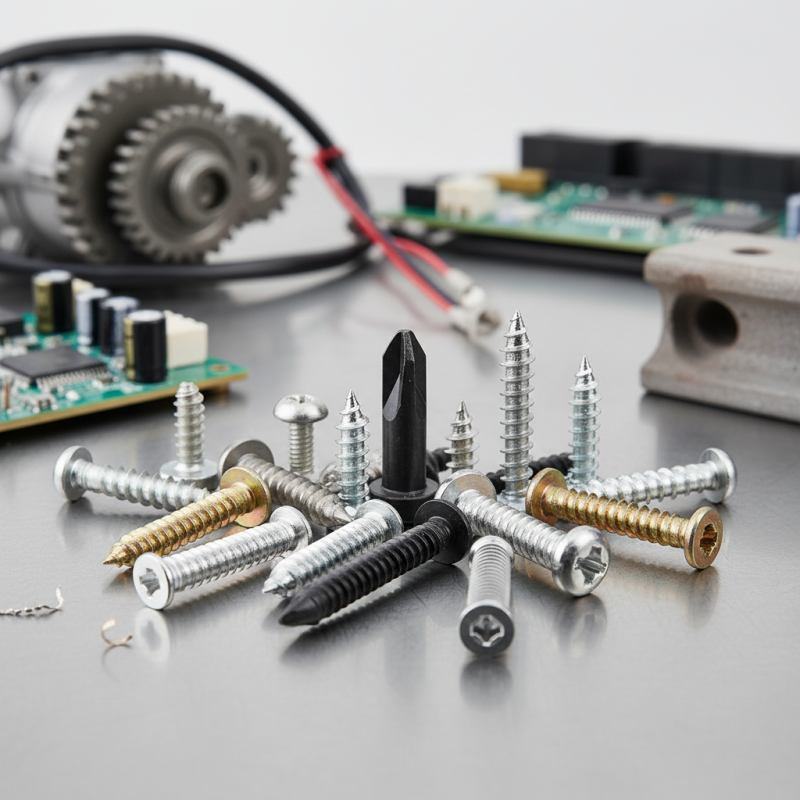
Tapping screws are versatile fasteners widely used in various applications. They are designed to create their own mating threads when driven into materials. This feature saves time and effort during installation. Tapping screws are typically made from steel or stainless steel, providing strength and durability. Their unique thread design ensures a secure fit in a variety of substrates, including wood, metal, and plastic.
These screws come in different sizes and styles, making them suitable for a multitude of projects. For instance, self-tapping screws often find use in construction and automotive industries. Their ability to cut into tough materials without pre-drilling holes is a significant advantage. However, users must select the correct type based on material and thickness to avoid stripping or damaging surfaces.
While tapping screws offer convenience, they also come with some challenges. Incorrect installation can lead to weak joints. Over-tightening may compromise the integrity of the materials. Users should exercise caution and attention to the specifications provided to maximize performance. Understanding the characteristics of tapping screws is essential for achieving the best results in any project.
Advantages of Using Tapping Screws in Various Applications
Tapping screws have gained popularity across various industries due to their unique advantages. These screws are designed to create their own threads when driven into materials. This feature eliminates the need for pre-drilled holes, leading to time and cost savings. According to a recent industry report by Research and Markets, the global tapping screws market is expected to grow significantly, driven by increased demand in construction and automotive sectors.
These screws excel in applications that require durability and strength. For instance, they are commonly used in metal and plastic components where traditional fastening methods may falter. The ability to form strong threads in tough materials provides a mechanical advantage that ensures stability. A study from the International Journal of Fasteners highlights that tapping screws can offer up to 25% higher tensile strength compared to standard screws.
Yet, tapping screws are not without their limitations. Improper installation can create stripping and thread damage. Additionally, their performance can vary depending on the material being fastened. Engineers must carefully select the right screw type to optimize effectiveness. Even with these challenges, tapping screws remain a vital choice in modern manufacturing, proving their ongoing relevance in diverse applications.
Common Materials and Designs of Tapping Screws in the Market
When selecting tapping screws, material choice and design are crucial. Common materials include carbon steel, stainless steel, and brass. Carbon steel is popular due to its strength and low cost. It accounts for approximately 55% of the market share, according to industry reports. Stainless steel offers corrosion resistance, making it ideal for outdoor applications. Its market share has seen a steady increase, reaching around 30% recently.
Design varies greatly. Tapping screws typically feature sharp threads that create their own holes. This design minimizes the need for pre-drilled holes, enhancing efficiency. Reports indicate that self-tapping screws can reduce assembly time by up to 50%. However, users should note potential issues. If not matched correctly with the material, they can lead to stripping or breakage. This underscores the importance of selecting the right screw for specific materials and applications.
Variances in head design also play a role. Options include countersunk, pan, and hex heads. Each serves different purposes in assembly. For instance, countersunk screws fit flush with the surface, while pan heads provide a larger bearing area. The right head style can significantly influence the overall stability of the fastened joint. This broad spectrum of materials and designs highlights the need for careful consideration in the selection process to ensure reliability and longevity in applications.
Comparison of Tapping Screws with Other Fasteners
When comparing tapping screws to other fasteners, several factors stand out. Tapping screws are designed to create their own threads as they are driven into materials. This unique feature eliminates the need for pre-drilled holes, making them efficient and time-saving. Their self-tapping design contributes to a tight fit, which enhances the stability of the assembly.
In comparison, traditional screws often require additional components like nuts or anchors, increasing the complexity of installations. If you compare tapping screws to bolts, they offer advantages in thinner materials, where bolts may not provide the necessary grip. However, not all materials are suitable for tapping screws, which can lead to stripping or insufficient hold. This indicates the importance of choosing the right fastener for each application.
Furthermore, while tapping screws excel in various applications, they may not always be the best option for heavy-duty projects. Their usage can lead to potential weaknesses under extreme stress. Evaluating the specific needs of a project is crucial. Factors such as material thickness, type, and intended load should always guide the fastener selection process. While tapping screws provide many advantages, relying solely on them may not always yield the best results.
Guidelines for Selecting the Right Tapping Screw for Your Project
When selecting tapping screws for your project, consider several key factors. The right choice can enhance assembly efficiency and structural integrity. Tapping screws excel in various applications due to their unique threading. They create their own mating threads in materials, which simplifies installation. According to industry data, over 75% of manufacturers prefer self-tapping solutions because they reduce labor costs.
Material choice is critical. Stainless steel, for example, offers excellent corrosion resistance, making it ideal for outdoor uses. In contrast, carbon steel screws provide higher strength at a lower cost, suitable for indoor applications. Ensure that your screws match the material of the substrates. Improper matching can lead to failure or reduced lifespan. For optimal results, select screws with appropriate coatings for added durability.
Thread type and size should also align with project requirements. Coarse threads grip better in soft materials, while fine threads are preferable in harder substrates. Data suggests that 60% of project failures stem from mismatched screw types. Attention to detail can prevent such issues. Analyze your specific needs and follow guidelines to choose tapping screws wisely.
Top Tapping Screw Benefits and Uses for Global Buyers
| Benefit | Description | Common Uses | Material Options |
| Durability | Tapping screws are designed to withstand high stress and environmental challenges. | Construction, automotive, and electrical applications. | Steel, stainless steel, and nylon. |
| Easy Installation | Can be easily installed without pre-drilling, saving time. | Home repairs and DIY projects. | Zinc-plated, coated, or uncoated options. |
| Versatile | Suitable for various materials, including wood, plastic, and metal. | Furniture assembly and manufacturing. | Aluminum, brass, and various finishes. |
| Corrosion Resistance | Special coatings can protect against rust and corrosion. | Outdoor structures, marine applications. | Stainless steel and coated options. |
| Cost-Effective | Generally more affordable than other fastening solutions. | Bulk fastening in manufacturing and assembly lines. | Carbon steel and economical brass. |